Entry · Ref IKGAQPRE
A Local’s Guide to Cuban Bakery Favorites in Aurora CO
- Posted
- 2026-10-29
- Last amended
- 2026-10-29
- Account
- @beauneto251
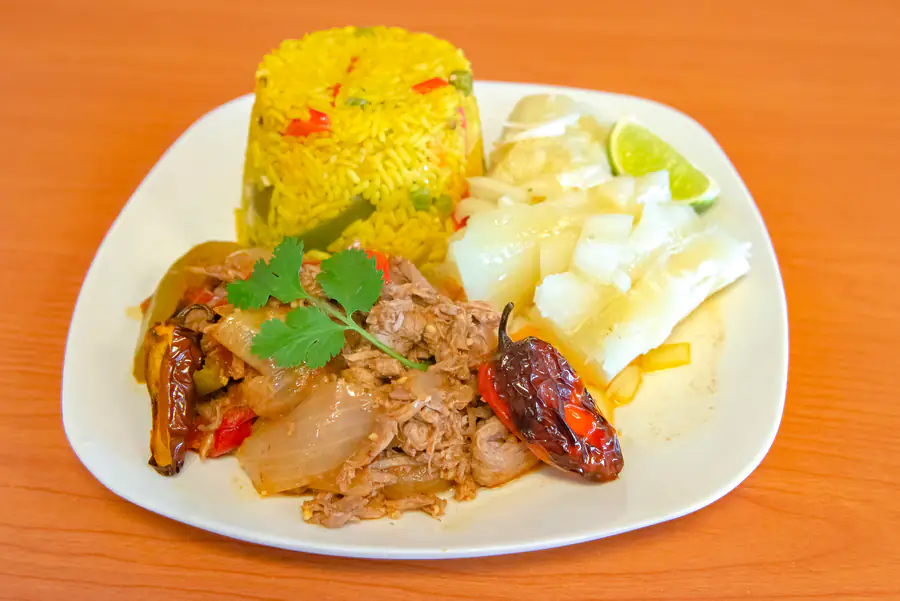
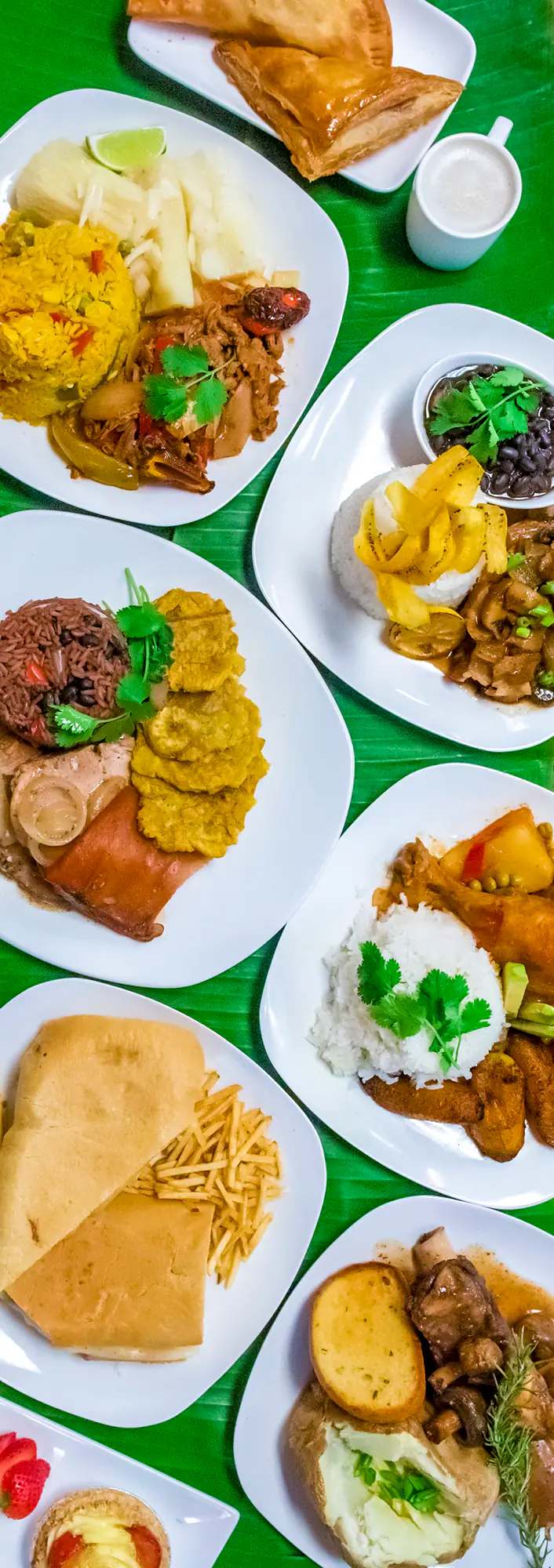
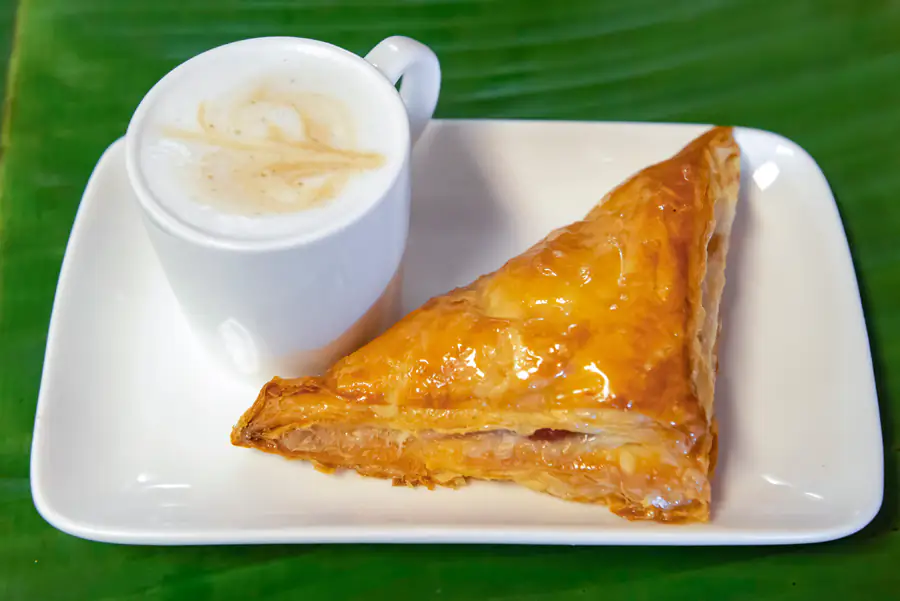
Aurora has a way of rewarding people who pay attention. You can drive the same commercial strip a dozen times, barely noticing the family-run spots tucked between larger storefronts, then step inside one bakery and realize you have been missing half the city. That is especially true when it comes to Cuban baking. The best places are not trying to look polished or trendy. They are trying to get the bread right, keep the pastelitos warm, and make sure the coffee is strong enough to wake up your whole table.
If you are searching for a true Cuban bakery Aurora CO experience, it helps to know what to look for beyond a pastry case. Cuban bakeries carry a rhythm all their own. There is the clatter of trays, the perfume of sugar and butter, the unmistakable smell of fresh bread, and often a line of regulars who know exactly what they came for. Some stop in for a quick cafecito and a guava pastry before work. Others buy a box for the office, or pick up loaves of Cuban bread and a few croquetas for the weekend.
Aurora is a particularly good place for this because the city’s food culture is practical, diverse, and unpretentious. People here care less about show and more about whether the food tastes right. That creates room for bakeries that do things the old way, or close enough to it to matter. If you know a few basics before you go, you will order with more confidence and come away with the good stuff, not just the obvious stuff.
What makes a Cuban bakery distinct
A Cuban bakery is not simply a Latin bakery with a few familiar pastries in the case. The details matter. Cuban baking sits at an intersection of Spanish technique, Caribbean flavor, immigrant adaptation, and strong cafe culture. In practical terms, that means you will often find a balance of sweet and savory, plenty of flaky laminated pastries, tropical fruit fillings, ham and cheese combinations, custards, buttery cookies, and breads meant to be eaten the same day.
Texture is one of the fastest ways to tell if a bakery takes its work seriously. A proper pastelito should shatter slightly when you bite into it, not sag or chew like underbaked puff pastry. Cuban bread should feel light for its size, with a delicate crust and a tender interior that still holds up to pressed sandwiches. Croquetas should have a crisp shell and a creamy center, not a greasy exterior or a gluey filling.
Then there is the coffee. If the pastries are the headliners, the coffee is https://rowanoyjy508.opalvector.com/posts/why-families-love-visiting-a-cuban-bakery-in-aurora-co the stage crew that makes everything run. Cuban coffee service is direct and efficient. Small cups, big flavor. Sweetness is often part of the drink, not an afterthought. Even if you are not usually a sugar-in-coffee person, it is worth trying it the house way at least once because the balance was built for these pastries.
The pastries locals come back for
The first thing many people notice in a Cuban bakery is the range of pastelitos. These are flaky pastries that can lean sweet or savory, and they are often the safest first order for a newcomer because they reveal a lot about the kitchen. Guava is probably the best-known filling, and for good reason. Good guava paste brings a deep fruit flavor that is more rounded than jam. It has sweetness, but also a slight tang and a floral note that cuts through the richness of the pastry.
Guava and cheese is the classic combination that wins over skeptical first-timers. The cheese tempers the fruit and adds a creamy, lightly salty contrast. When made well, neither filling dominates. You get a clean bite of pastry first, then the warmth of the filling, then a finish that makes you reach for coffee. This is the order I recommend to anyone walking in without a plan, partly because it is iconic, and partly because it is hard to fake well. If a bakery handles guava and cheese properly, the rest of the case is usually worth exploring.
Coconut pastries have their own loyal following. They tend to be sweeter and more aromatic, with a more dessert-like feel. These are excellent with bitter coffee because the contrast wakes up the coconut instead of letting it sit flat on the palate. Some bakers keep the filling loose and jammy, others cook it down until it is denser and chewier. Neither is wrong, but each gives a different experience. The looser style feels brighter. The denser style feels more old-fashioned and substantial.
Savory pastries deserve equal billing. Ham and cheese versions are the everyday workhorses of the Cuban bakery case. They are the sort of thing you pick up at 8:15 in the morning and somehow still think about at lunch. The best ones strike a difficult balance. The pastry must stay crisp enough to contrast with the filling, but not so dry that the salt from the ham takes over. Better bakeries also avoid overwhelming the cheese. You want melt and richness, not a heavy blanket.
Croquetas often sit near the pastry case or hot food area, and they are worth serious attention. Ham croquetas are the most common, though chicken is also easy to find in many places. A good croqueta is all about restraint. The filling should be smooth and savory, with seasoning that supports the meat instead of hiding it. The breading should be thin enough to crackle when bitten, not thick enough to eat like a fried tube. When a bakery moves croquetas quickly, that is a very good sign. Fresh turnover matters.
Bread is where quality really shows
It is easy to get distracted by sugar and puff pastry, but bread is often the truest measure of a Cuban bakery. Cuban bread looks simple, which is exactly why mistakes stand out. The loaf should have a gentle crust, not an aggressively hard one. The crumb should be airy and light, but not hollow or dry. It should compress slightly under your hand and bounce back. A loaf that feels heavy or dense usually means it is past its prime, overmixed, or not quite right from the start.
Fresh Cuban bread transforms a sandwich. It is one of those ingredients people underestimate until they eat it side by side with a generic substitute. A medianoche or a pressed Cuban sandwich needs bread that can crisp on the outside while staying tender enough to absorb juices and mustard without falling apart. The bread should serve the filling, not fight it.
Locals who know this often time their visits around fresh bread batches. That matters in Aurora, where people are willing to cross town for food but still appreciate efficiency. If you can catch a bakery when the loaves are just out, buy an extra one. Even if you do nothing more elaborate than split it open with butter at home, you will understand why fresh bread remains the heartbeat of the place.
Cakes, custards, and the bakery box nobody regrets buying
Cuban bakeries are not limited to breakfast pastries and bread. Cakes and custard-based desserts play a major role, especially for birthdays, family gatherings, and office celebrations. Tres leches appears in many Latin bakeries broadly, but in a Cuban setting you may also find cakes with guava filling, meringue finishes, pineapple accents, or rich buttercream styles that feel more celebratory than delicate.
Flan is one of those desserts that seems familiar until you get a really good one. A proper flan should sit smooth and creamy, with enough structure to hold its shape but not so much that it turns rubbery. The caramel should bring slight bitterness at the edges, which keeps the dessert from tasting one-note sweet. That is the difference between flan people politely eat and flan people remember.
There is also the bakery-box dynamic, which every local recognizes. You go in planning to buy two items and leave with six because one looks too good to pass up, another is for someone at home, and then you notice cookies you have not had in years. Cuban bakery boxes tend to disappear faster than expected because the portions invite sharing. One person cuts a pastry in half, somebody else says they only want a bite, and suddenly the entire box is gone before afternoon.
The coffee order that completes the experience
Cuban bakery culture makes more sense once you stop treating coffee as a side item. It is central. A cafecito, usually small and intense, delivers sweetness and strength in one shot. A cortadito softens that intensity with milk, while still keeping a concentrated coffee flavor. A cafe con leche is the gentler choice, especially in the morning with toast or a pastry, and it often turns breakfast into a full ritual rather than a quick errand.
The pairing matters. A guava and cheese pastelito with a cafecito feels different from the same pastry with drip coffee. The sugar, fat, and fruit are designed to meet coffee with backbone. Likewise, a ham croqueta beside a cortadito creates a tidy little contrast of salty and creamy. If you want to understand why people become fiercely loyal to a particular bakery, this is usually where the attachment starts.
One practical note from experience, especially for newcomers: Cuban coffee can be stronger than it looks. The cups are small, but the effect is not. Ordering two because they appear tiny is a choice many people make exactly once.
How to order like someone who has been there before
Regulars usually move fast at the counter, but that does not mean staff mind questions. It helps, though, to arrive with a little strategy. The pastry case can become overwhelming if you are hungry and unfamiliar with the names.
Here is the most useful approach for a first visit:
- Start with one sweet item, one savory item, and one coffee.
- Ask what came out recently, especially for bread or hot snacks.
- If guava and cheese is available, use it as your benchmark pastry.
- Buy extra croquetas only if turnover looks brisk and they are hot.
- Take bread home the same day, it rarely improves by waiting.
That simple order tells you almost everything. You learn whether the bakery handles lamination well, whether the savory side is as strong as the sweets, whether the coffee program is thoughtful, and whether the kitchen has good timing. You also avoid the common beginner mistake of buying a box full of sweet items and realizing later that what you really wanted was balance.
Timing matters more than people think
Bakeries are creatures of the clock. A place can be excellent at 9:00 a.m. And merely good at 3:30 p.m., not because standards dropped, but because bakery goods have windows. Flaky pastries are best when fresh and still holding their crisp layers. Bread has a peak. Fried items have a peak. Even custard desserts can taste better earlier in their service cycle, before refrigeration fully firms them up.
Morning is generally the safest bet if you want the widest selection and the strongest chance at peak texture. Mid-morning can be ideal for people who want less of a rush but still want recent batches. Late afternoon can still be rewarding, especially if you are after cakes or packaged sweets, but it is less reliable for the items that depend most on immediacy.
Weather also matters in Colorado more than many people expect. Dry air changes how pastries hold over time. A beautifully crisp pastry can tip into overly brittle if it sits too long. Bread can stale differently than it would in a more humid climate. Good bakers account for that, but the environment still has a say. That is one reason local regulars tend to buy what they plan to eat that day rather than stocking up for three.
What locals quietly notice when judging a bakery
People often talk about flavor first, but locals use a wider set of criteria, even if they do not say it out loud. They notice whether the pastry case looks maintained throughout service or if it starts to feel tired by noon. They notice whether coffee comes out with consistency. They notice whether the staff steer people honestly, telling them what is fresh rather than pushing whatever has been sitting longest.
They also notice who is coming through the door. Multi-generational traffic is usually a good sign. If a bakery draws workers grabbing breakfast, grandparents ordering bread, parents buying party desserts, and kids pleading for cookies, it is serving real community needs, not just novelty demand. In Aurora, that matters. Restaurants and bakeries here survive on repeat business. A place that earns habitual trust tends to show it in the details.
Another tell is restraint in sweetness. Better Cuban bakeries understand that sweetness should support flavor, not bury it. Guava should taste like guava, not generic sugar. Coconut should smell and taste distinct. Flan should still carry the egg-and-caramel character that makes it flan. Overly sweet pastries can look appealing in the case and then disappoint after two bites.
Pairings worth trying if you want to branch out
Once you have tried the standards, half the fun is learning how to build your own combinations. A coconut pastry and a cortadito make sense for someone who likes dessert with a little edge. A ham croqueta with cafe con leche works beautifully for a softer morning meal. Fresh Cuban bread with butter and coffee is humble, but when the bread is right, it is one of the most satisfying things on the menu.
If you are bringing a mixed box to work or to a friend’s house, variety is more useful than volume. In my experience, a balanced box disappears more happily than a large box of all sweets. People like choice, and Cuban bakeries reward a spread that moves between fruit, cheese, savory, and creamy desserts.
A good shared box usually includes:
- one guava and cheese pastry
- one savory pastry or croqueta selection
- one bread item for home use
- one custard dessert such as flan
- one wildcard pick that the staff recommend
That final choice often becomes the sleeper hit. Sometimes it is a cookie. Sometimes it is a less familiar fruit pastry. Sometimes it is a cake slice that did not look dramatic but tastes exactly right. Trusting the counter staff is part of the local move. They know what is eating well that day.
Why Aurora is such a good place to explore this food
Aurora’s dining scene rewards curiosity. It is spread out, neighborhood-driven, and full of businesses that earn loyalty quietly rather than loudly. Cuban bakery culture fits that landscape well. You are not usually walking into a polished performance. You are walking into a place shaped by routine, community, and repetition, where the goal is to feed people properly and send them out happier than they arrived.
That matters because Cuban baking is everyday food as much as celebration food. Yes, you can pick up a cake for a birthday. You can also stop in on an ordinary Tuesday and get a coffee, a flaky pastry, and a loaf of bread that changes your dinner plans for the better. That ordinary usefulness is the point. The bakeries people treasure most are rarely just dessert stops. They become part of the weekly pattern.
For anyone specifically hunting for the best Cuban bakery Aurora CO has to offer, the smartest approach is to think less like a critic and more like a regular. Go early once. Go again at a different hour. Try the benchmark items first, then branch out. Notice the bread, the coffee, the turnover, the honesty at the counter. Good Cuban bakeries reveal themselves through consistency more than spectacle.
And when you find the one that gets the balance right, flaky pastry, strong coffee, fresh bread, savory snacks that do not linger too long under heat lamps, you will understand why locals stay loyal. The favorites are not favorites by accident. They become part of the city’s daily life, one warm pastry and one tiny cup of coffee at a time.
Cuba Bakery & Café
15028 E Mississippi Ave, Aurora, CO 80012
+1 303-752-2822
FAQ About Cuban bakery Aurora CO
What are Cuban pastries called?
Many small Cuban pastries are called pastelitos. They can have sweet or savory fillings, such as guava, cheese, guava and cheese, or seasoned meat. Cuba Bakery & Café lists guava, cheese, guava-and-cheese and beef pastries on its menu. Ask the bakery about current availability and ingredients when ordering.
What are traditional Cuban pastries?
Common Cuban bakery choices include flaky pastelitos filled with guava, cheese or meat. Cuban bakeries may also offer empanadas, breads and desserts alongside coffee. Cuba Bakery & Café lists pastelitos, several empanada fillings, pan Cubano and desserts such as tres leches and bread pudding. Selection can vary, so confirm the day's choices with the bakery.
What makes Cuban bread different?
Cuban bread is known for its light interior and a thin crust that becomes crisp when toasted or pressed. Traditional recipes often use lard, although ingredients vary by baker. It is commonly served as buttered toast or used for Cuban sandwiches. Cuba Bakery & Café lists pan Cubano and tostada on its menu; ask staff about the ingredients in their bread if you have dietary restrictions.