Entry · Ref AHHQQ73Q
Authentic Jamaican Food Dishes Worth Cooking This Weekend
- Posted
- 2026-11-06
- Last amended
- 2026-11-06
- Account
- @beauneto251
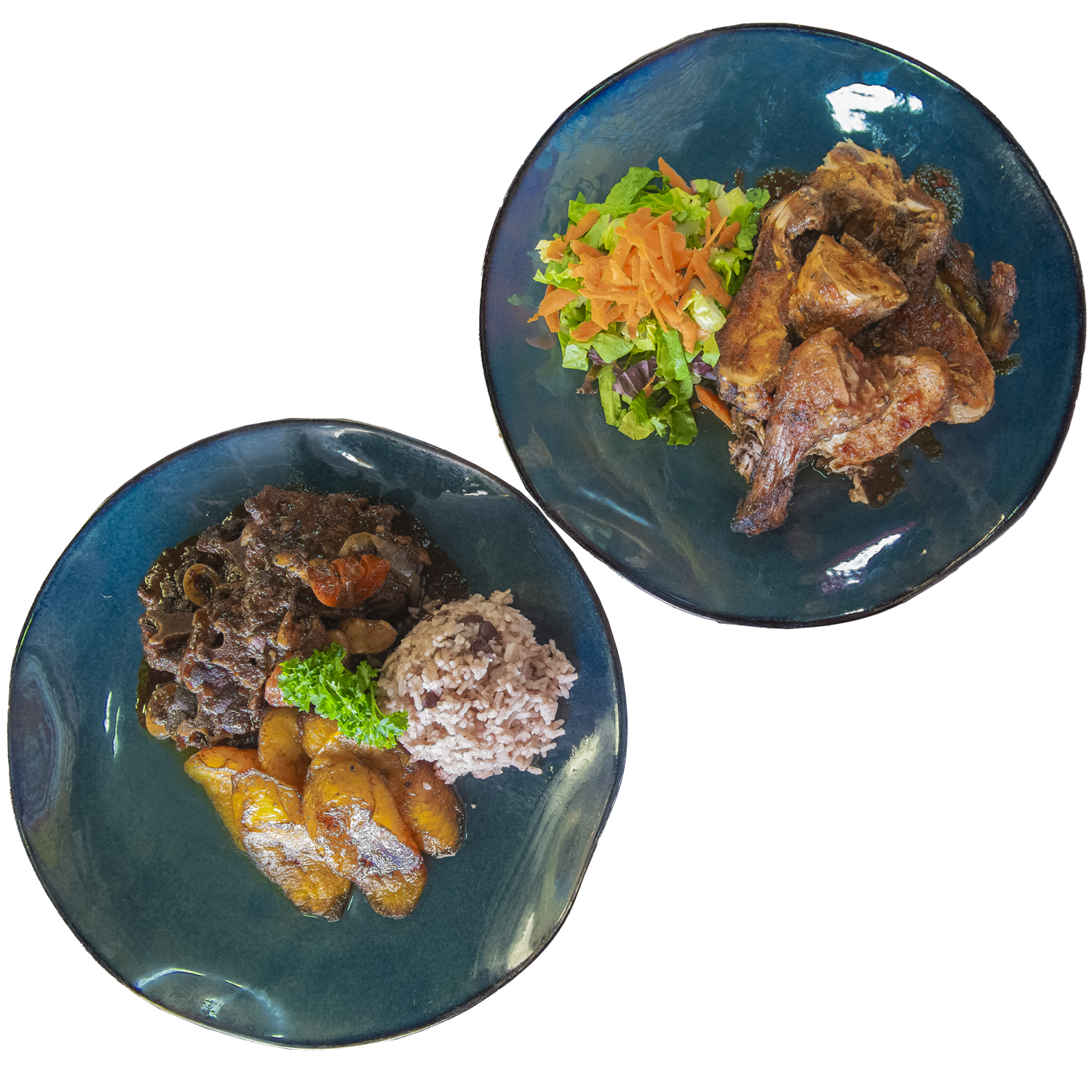
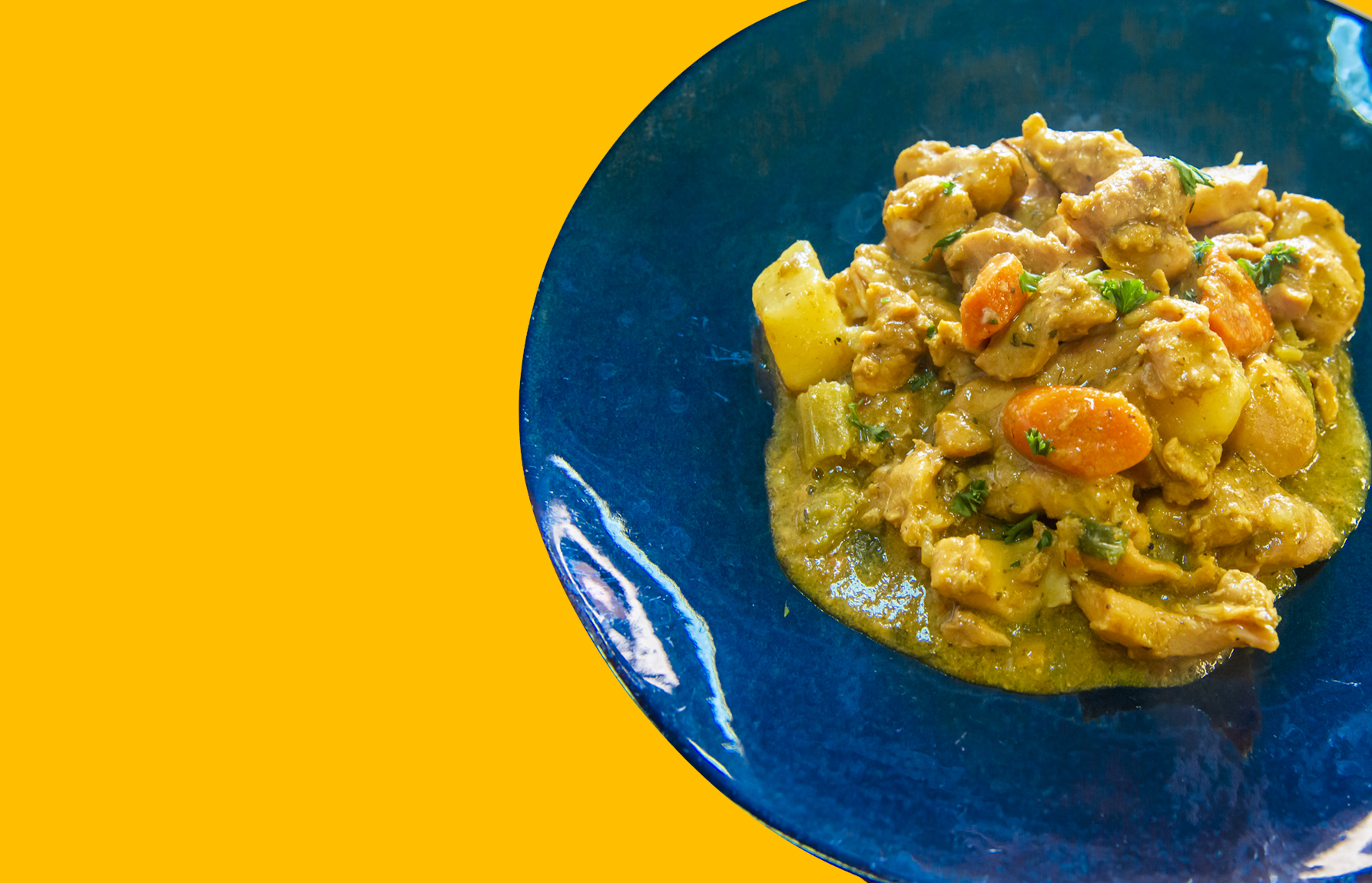
Jamaican food has a way of waking up the whole table. It is not just the heat of Scotch bonnet, though that matters. It is the layering of thyme, allspice, scallion, ginger, coconut, browned sugar, and slow-cooked meat. It is the contrast between fire and sweetness, softness and char, broth and starch. Even simple dishes carry a sense of intention. Nothing tastes flat. Nothing feels accidental.
That intensity is exactly why Jamaican cooking rewards a weekend kitchen. These are dishes that benefit from marinating, simmering, soaking, resting, or frying in batches while music is on and the windows are cracked open. They are deeply practical home foods, not just restaurant specialties. Some are ideal for feeding a crowd. Others are perfect for a quieter Sunday when you want one serious pot on the stove and leftovers worth looking forward to.
If you are deciding what to cook this weekend, start with dishes that show the breadth of the cuisine rather than chasing only the most famous name. Jerk deserves its reputation, but Jamaican food is much bigger than jerk chicken. A proper weekend spread might move from a bowl of soup to a plate of curry goat, from ackee and saltfish at breakfast to rum cake after dinner. The common thread is flavor built patiently and handled with confidence.
What makes Jamaican cooking taste like Jamaican cooking
The first thing to understand is that seasoning is not a last-minute event. In many Jamaican kitchens, meat gets washed, rubbed, and left to absorb flavor well before heat touches the pot. Green seasoning, often made with scallion, thyme, garlic, onion, Scotch bonnet, and sometimes ginger, functions as a base note across many dishes. Then there is allspice, called pimento in Jamaica, which gives depth that is warm, woody, and unmistakable.
The second thing is balance. Good Jamaican food rarely leans on one dimension alone. A curry should be rich, but not muddy. Jerk should be hot, but also fragrant and just a little sweet from browning and spice. A soup should feel restorative rather than heavy. Even fried dishes often arrive with something acidic or peppery on the side to sharpen the bite.
Texture matters just as much as seasoning. Rice and peas should be separate but tender, not wet and pasty. Festival should be crisp outside and soft within. Plantains need to go beyond yellow and into that deeper caramelized stage where the sugars start to fully wake up. If you have ever eaten a plate where everything was properly seasoned but one element had the wrong texture, you know how much it changes the meal.
A final point, and it is one home cooks often miss, is that Jamaican cooking is full of judgment calls. There are family versions of almost every dish. One cook likes more thyme in curry goat. Another insists on a darker browning for stew chicken. Someone else prefers firmer dumplings in soup. That flexibility is part of the tradition, not a departure from it.
Jerk chicken deserves the charcoal, but the oven can still do real work
Jerk chicken is the dish many people cook first, and for good reason. It captures the signature personality of Jamaican food in one pan or grill session. The best versions are smoky, deeply seasoned, and hot without becoming one-note. Traditionally, jerk belongs over pimento wood, and if you have access to charcoal and a covered grill, that route is worth taking. The smoke adds a haunting sweetness that is hard to fake.
Still, a weekend home cook should not feel disqualified without outdoor equipment. The real work happens in the marinade. Scotch bonnet, scallion, thyme, garlic, ginger, allspice, soy sauce, lime, and a little browning or brown sugar create a paste that penetrates best when given time. Overnight is ideal. A few hours can still get you close. Bone-in, skin-on chicken thighs and legs are the safest cuts because they stay juicy while the exterior darkens.
One common mistake is blending the marinade too smooth. A bit of roughness helps it cling and form crust. Another is using only heat without enough aromatic support. Scotch bonnet should announce itself, but thyme and allspice should stay audible. If your finished jerk tastes only spicy, it needs more structure.
Oven jerk works best when you roast hot enough to caramelize the edges, then finish under the broiler for color. That last step matters. You want dark spots and rendered skin. Serve it with rice and peas, fried plantain, or hard dough bread if https://zanderyffb237.laurelcurrent.com/posts/discovering-the-soul-of-jamaican-food-through-its-signature-dishes you are keeping it casual. A spoonful of cooling slaw on the side does not dilute the dish. It makes the next bite sharper.
Curry goat is the weekend project that pays you back twice
If I had to pick one dish that best rewards patience, it would be curry goat. It is one of those meals that tastes excellent on the day you cook it and even better the next afternoon, when the sauce has settled and the spice has knit itself together. The meat should be tender but not collapsing into threads. The gravy should cling to rice rather than run across the plate.
The foundation is Jamaican curry powder, which differs from many Indian-style blends because it tends to push turmeric, coriander, fenugreek, and allspice in a distinct way. Many cooks “burn” or bloom the curry in oil at the start. That phrase sounds harsher than the technique is. You are simply frying the powder with aromatics briefly to take away the raw taste and deepen the flavor before adding the meat.
Goat has a strong identity, which is exactly why it works here. It stands up to aggressive seasoning and long simmering. If goat is hard to source, lamb can substitute, though it is richer and softer in character. The result is still delicious, but it will not have quite the same clean, assertive edge. Bone-in pieces are worth the trouble because they enrich the gravy.
Potatoes in curry goat divide opinion. Some people love them for how they absorb spice and stretch the pot. Others find they dilute the meatiness. My view is practical. If you are cooking for six or more, potatoes belong. If you want a more concentrated result for a smaller group, skip them and let the sauce stay all about the goat. Either way, do not rush the simmer. Tough curry is a tragedy, and it usually comes from impatience more than poor seasoning.
Ackee and saltfish is more delicate than it looks
Ackee and saltfish is often introduced as Jamaica’s national dish, but that label can make people treat it as ceremonial rather than everyday. In truth, it is a home dish with a lot of nuance. When done well, it is savory, buttery, and surprisingly subtle. The ackee should be soft and rich, almost like scrambled eggs in appearance, though the texture is gentler and more fragile. The saltfish brings salinity and chew, but it should never dominate so completely that the dish becomes harsh.
The biggest challenge is respect for the main ingredient. Ackee must be handled carefully. If you are using canned ackee, which many home cooks outside Jamaica do, the key is restraint. Drain it gently and fold it in late. Stirring aggressively turns it to mush. Fresh ackee has a wonderful flavor, but it also requires proper ripeness and preparation, so unless you know the process well and trust your source, canned is the sensible option.
Salt cod needs soaking and often a brief boil to remove excess salt. Under-soak it and the dish becomes one-dimensional. Over-soak it and you lose the point. The sweet spot is fish that still tastes purposeful. Saute onion, tomato, scallion, thyme, and Scotch bonnet first, then add the flaked fish, and only at the end bring in the ackee. This is not a dish for distracted cooking. Ten rough stirs can undo what ten careful minutes built.
Ackee and saltfish belongs beside boiled green banana, fried dumpling, roast breadfruit, or plain toast, depending on how ambitious your weekend breakfast feels. It is a strong case for why Jamaican food is not only about chili and smoke. Some of its best dishes are gentle in texture and quietly layered.
Brown stew chicken belongs in every serious home cook’s rotation
There is a reason brown stew chicken shows up so often in Jamaican homes, lunch spots, and family gatherings. It is dependable, affordable, and deeply satisfying. It also teaches good habits. To make it properly, you need to season well, brown with control, and let the sauce reduce to the right consistency. It is less flashy than jerk and less ceremonial than curry goat, but it may be the most useful Jamaican dish for a home cook to master.
The flavor starts with marinated chicken, often thighs or a cut-up whole bird, seasoned with onion, scallion, garlic, thyme, Scotch bonnet, black pepper, and all-purpose seasoning. Browning sauce gives it color and a bittersweet backbone. Some cooks add a touch of ketchup, which sounds inelegant until you taste what it does in context. It rounds and brightens the gravy. The trick is not to lean so hard on it that the dish turns sugary.
Getting the chicken properly browned before stewing is the whole game. The pot should be hot, but not so hot that the marinade burns instantly. You want color on the meat and fond at the bottom, because that is where the stew’s depth begins. Water or stock goes in after, followed by carrots, bell peppers, and more onion if you like a fuller pot.
This is one of the best dishes to cook if you are feeding mixed company. People who shy away from very spicy food still tend to love it, and those who like heat can add pepper sauce at the table. Serve it over rice and peas and you have a meal that feels complete, practical, and unmistakably Jamaican.
Rice and peas is not a side dish you can afford to neglect
In too many kitchens, rice and peas gets treated as filler. In Jamaican cooking, that approach shows immediately. Good rice and peas carries coconut flavor, aromatic thyme, scallion, and enough salt to stand on its own. It is not meant to disappear under the main dish. It is meant to support it with real character.
The “peas” are usually kidney beans or gungo peas, depending on the version and the season. Coconut milk gives body and fragrance. Fresh thyme and scallion should perfume the pot rather than sit in the background. Some cooks add a whole Scotch bonnet for warmth without burst heat. That is a smart move, especially if children or heat-sensitive guests are eating.
Texture is where the dish wins or loses. Too much liquid and you get clumped rice. Too little and the grains stay chalky. Different rice brands behave differently, so there is no universal ratio worth pretending otherwise. If you know your own pot and your own rice, trust that knowledge. The target is tender grains that remain distinct, with the coconut and bean flavor carried all the way through.
Rice and peas also teaches the rhythm of Jamaican meals. It is rarely lonely. It is there to catch curry gravy, balance pepper, and make room for sweet plantains or steamed vegetables on the plate. If the main dish is the loudest singer, rice and peas is the rhythm section that makes the song hold together.
Mannish water and red pea soup are the kind of dishes people remember
Weekend cooking should include at least one pot that fills the house with smell for hours, and Jamaican soups are ideal for that. Mannish water, traditionally made with goat parts and a deeply seasoned broth, has a reputation as a party soup and a restorative one. It is assertive, rich, and not especially interested in pleasing timid eaters. If you appreciate nose-to-tail cooking and full-bodied broth, it is extraordinary.
For a wider audience, red pea soup is the better entry point. Made with red kidney beans, salted meat or beef, dumplings, ground provisions like yam or sweet potato, and plenty of thyme and scallion, it eats like a full meal. The broth gets both creaminess and depth from the beans. A splash of coconut milk can round it beautifully, though not every cook uses it.
Soup dumplings are a point of pride. They should be firm enough to hold shape but not so dense that they eat like paste. Spinach-like callaloo sometimes appears in soup or beside it, adding a green note that lifts the bowl. What matters most is that the pot tastes developed. Thin soup with undercooked provisions is hard to rescue late.
These soups are especially good choices for a weekend when the weather turns or when you want one-pot cooking with real payoff. They reheat well, and they create the sort of meal where people stand over the stove asking for just one more ladle.
Two fried favorites that make the whole menu feel complete
A Jamaican meal often becomes more satisfying because of what happens around the edges. Fried dumplings and festival are not afterthoughts. They are part of the pleasure. Fried dumplings are straightforward, savory, and sturdy enough to sit beside ackee and saltfish or be eaten with a piece of saltfish on their own. Festival is sweeter and more playful, especially good with jerk or fried fish.
Festival should not taste like cake. It needs just enough sugar and cornmeal to feel distinct from a standard dumpling, with a lightly crisp shell and tender center. If it comes out greasy, the oil was too cool. If it browns too fast and stays raw in the middle, the oil was too hot or the shape was too thick. This is a dish where frying one test piece saves the whole batch.
Plantains deserve mention here too. Properly ripe plantains, with skins heavily speckled or mostly black, fry into something almost creamy inside. Under-ripe plantains can work if you want more starch and less sweetness, but for most weekend spreads the soft caramel note of ripe ones is what the plate needs.
If you want one weekend menu, build it around contrast
A memorable Jamaican meal works because each dish answers another. Heat needs starch. Richness needs freshness. Soft stews benefit from crisp edges somewhere on the table. If you are planning one cooking session this weekend, think in combinations rather than individual recipes.
Here is a reliable lineup for six people:
- Jerk chicken as the main attraction.
- Rice and peas for body and balance.
- Fried ripe plantains for sweetness.
- A simple cabbage slaw for crunch and acid.
- Rum cake or grater cake if you want dessert.
That menu works because it does not ask every dish to do the same job. The chicken brings smoke and spice. The rice steadies it. Plantains sweeten the frame. Slaw keeps the plate awake. Dessert can be modest, because the meal already has plenty of personality.
If you want a softer, slower Sunday table, swap the jerk for brown stew chicken and start with red pea soup. That menu asks less of the grill and more of the stove, which is often the smarter choice when you want guests in the kitchen talking rather than everyone outside tending coals.
A few judgment calls that improve results immediately
Most recipes for Jamaican food are not ruined by a missing ingredient. They are ruined by weak decisions in the middle. Better choices tend to be small and practical.
Keep these in mind while you cook:
- Use fresh thyme and scallion whenever possible. Dried versions rarely carry the same lift.
- Let marinades sit long enough to matter, ideally overnight for meat.
- Taste for salt after adding salted meat or soaked saltfish, not before.
- Cook Scotch bonnet with intention. Whole gives warmth, chopped gives heat.
- Give stews time to reduce so the sauce tastes finished, not watery.
These are not restaurant tricks. They are the kind of adjustments that make home cooking feel experienced instead of approximate.
Dessert has a place, even after a heavy meal
Jamaican desserts are often less discussed than the savory canon, but they finish a weekend meal beautifully. Rum cake, also called black cake in some households and holiday settings, is dense, dark, and fragrant with soaked fruit and spice. It is not an everyday bake for most people, but a weekend is exactly when it makes sense. The flavor improves after resting, which takes pressure off serving time.
If that feels too involved, coconut drops or grater cake are excellent alternatives. Both celebrate coconut differently. Coconut drops are chunkier and often spiced with ginger, while grater cake is firmer and candy-like. Neither needs much plate dressing or ceremony. A small piece with coffee or a splash of rum is enough.
Dessert in this context should not erase the meal with too much sugar. It should echo it. Spice, fruit, coconut, and rum all make sense because they belong to the same flavor world as the dishes that came before.
Why these dishes are worth your weekend
The best reason to cook Jamaican food this weekend is that it gives back more than it demands. The ingredients are vivid, but most are accessible. The methods require attention, but not fancy technique. The food tastes generous. Leftovers hold up. Your kitchen smells alive while you cook, and the meal rarely lands with indifference.
There is also real range here. You can choose the charred directness of jerk, the slow depth of curry goat, the comfort of brown stew chicken, or the breakfast elegance of ackee and saltfish. You can build the meal around one pot, one tray, or one grill. You can cook for two and enjoy leftovers for days, or feed a packed table without stretching flavors thin.
That is part of what makes Jamaican food so satisfying to cook at home. It does not ask you to chase perfection in a sterile way. It asks you to season boldly, taste as you go, and respect time. When you do that, even a modest weekend meal can feel like an event.
Reggae Pot Jamaican Grill
2243 S Monaco St Pkwy #104
Denver, CO 80222
+1 720-410-2956
FAQ About jamaican food
What is the best Jamaican food to try in Denver?
The best choice depends on your tastes. Popular options include jerk chicken, curry goat, slow-cooked oxtail, and savory patties. Reggae Pot lists these dishes on its menu, with sides such as rice and peas and plantains. Ask the Denver team about current availability and spice levels.
Is Jamaican food very spicy in Denver?
Heat varies by dish and preparation. Jerk seasoning often includes scotch bonnet peppers alongside herbs and allspice, while other dishes may have gentler seasoning. Ask about the heat of the specific dish and any sauce before ordering.
What are some popular Jamaican snacks?
Jamaican patties are a popular snack made with flaky pastry and savory meat or vegetable fillings. Other options include fried dumplings and festival, a sweet fried dough often served with savory dishes. Availability varies, so check the current menu when ordering.