Entry · Ref 64ZT4MI6
Jamaican Food in Denver: Standout Spots for Jerk, Curry, and More
- Posted
- 2026-09-24
- Last amended
- 2026-09-24
- Account
- @beauneto251
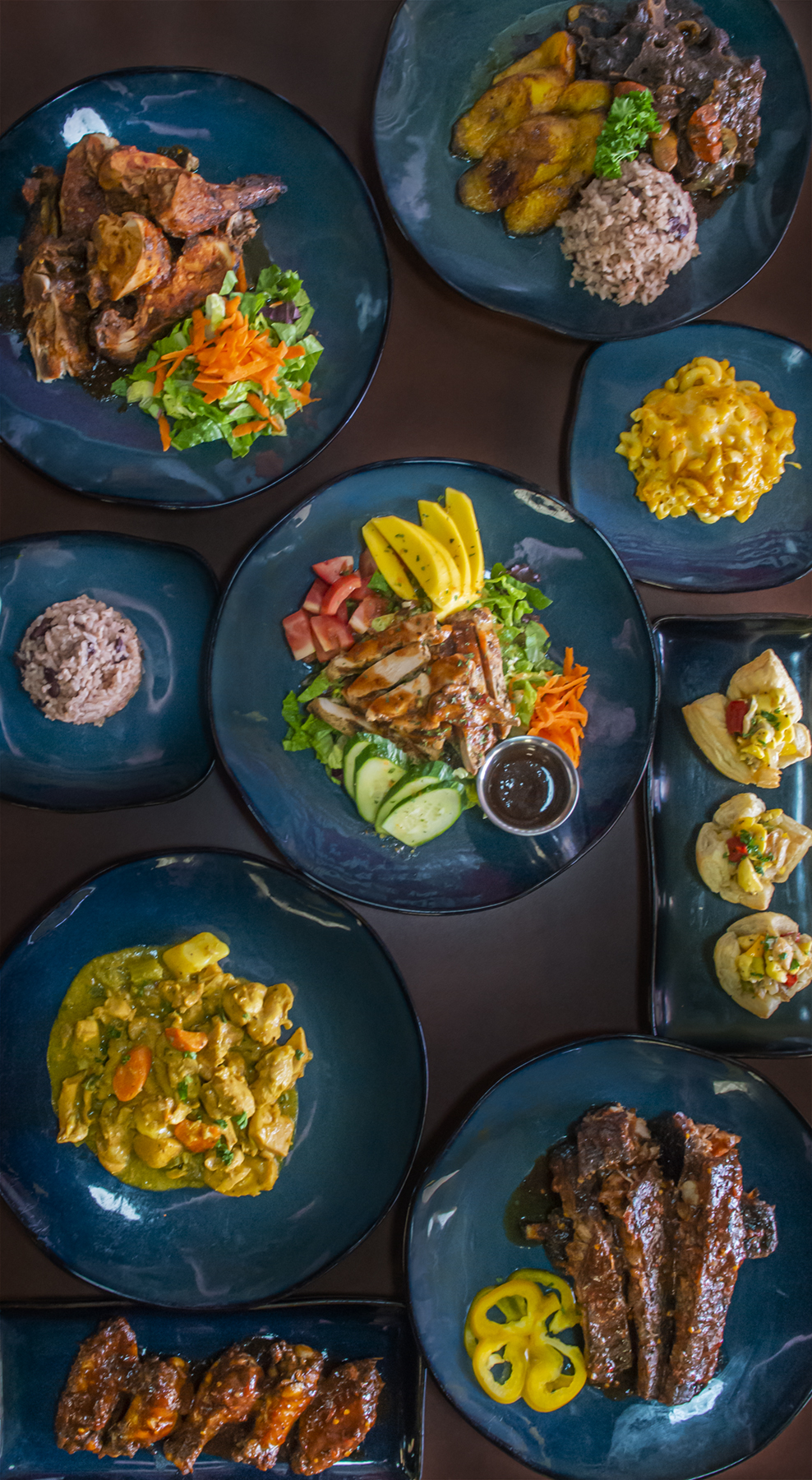
Denver is not the first city most people associate with Jamaican cooking. That usually changes after a plate of jerk chicken lands on the table, glossy with spice and smoke, next to rice and peas that actually taste of coconut, thyme, and stock instead of plain white rice with a label slapped on. The city’s Caribbean food scene is still smaller than what you would find in New York, South Florida, or parts of Toronto, but it has real strengths. If you know what to look for, Jamaican food in Denver can be deeply satisfying.
The key is to adjust expectations in the right way. Denver does not have block after block of Jamaican restaurants competing over escovitch fish and patty crust. What it does have is a mix of independent kitchens, casual counter spots, food trucks, and Caribbean restaurants that keep a few Jamaican staples in steady rotation. Some places lean hard into jerk. Others shine on braises like oxtail or curry goat. A few do their best work in the sides, where cabbage, plantains, and rice and peas tell you whether the kitchen is treating the cuisine seriously.
If you are hunting for the best Jamaican food Denver offers, you are really looking for places that understand balance. Heat matters, but jerk is not supposed to be all blunt fire. Curry should feel warm, earthy, and full, not dusty. Oxtail should be soft enough to surrender to a fork, with gravy worth chasing to the edge of the foam container.
What makes a Jamaican spot worth seeking out
Before getting into where Denver does this well, it helps to know how to read a menu and a plate. Jamaican food has broad appeal because it delivers immediate comfort, but the best versions have a lot going on beneath that first impression.
Jerk is the obvious starting point. At its best, it tastes of allspice, thyme, scallion, Scotch bonnet, garlic, ginger, and smoke, with sweetness held in check. A lot of restaurants can make spicy chicken. Far fewer can make jerk that tastes layered instead of loud. Denver’s strongest kitchens tend to understand that distinction.
Curries are another good test. Curry chicken should have body without becoming gluey. Curry goat should be rich and assertive, with enough time on the stove that the meat gives back flavor to the sauce. If the gravy is thin and one-note, the kitchen is probably rushing.
Then there are the sides. Rice and peas should not be an afterthought. Cabbage should still have some life. Fried plantains should be caramelized at the edges, not just hot and floppy. A kitchen that gets the small things right usually gets the big things right too.
A city where the best meals are often informal
One of the charming things about Denver’s Caribbean scene is that some of the most memorable meals do not come from polished dining rooms. They come from strip-mall storefronts, lunch counters, and trucks where the menu board is straightforward and the line moves only as fast as the kitchen can keep up.
That matters because Jamaican food often suffers when https://troyvmfg522.terracolumn.com/posts/jamaican-food-in-denver-local-favorites-you-ll-want-to-repeat it is over-formalized. This is cooking that rewards patience, repetition, and a certain practical confidence. It is not fussy food. It is food that needs time. In Denver, the places that feel closest to the mark often embrace that reality. You may wait a bit longer for oxtail. The patties may sell out. The kitchen may be out of one side by late afternoon. Those are not always red flags. Sometimes they are signs that the food is being made in sensible batches rather than engineered for infinite consistency.
Reggae Pot and the appeal of going straight to the classics
Among the names that come up regularly in conversations about Jamaican food in Denver, Reggae Pot has built real recognition. What makes a place like that stand out is not novelty. It is the ability to deliver the standards people came for, and to do it with enough conviction that regulars return for the same plate again and again.
The benchmark order at any Jamaican restaurant is usually jerk chicken, curry goat, or oxtail. Those dishes reveal nearly everything about the kitchen. A strong jerk plate tells you the restaurant understands marinade, timing, and how to carry spice without flattening the palate. A good curry shows control over texture and seasoning. Oxtail shows patience, because there is no shortcut that tastes like the real thing.
At places in this lane, I usually advise first-time visitors to resist the temptation to over-customize. Order the plate as the kitchen intends it. Take the rice and peas. Take the cabbage. Add plantains if they are available. Jamaican meals are built around combinations, and the pleasure often comes from moving through the plate rather than isolating one item.
Why food trucks and pop-ups matter in Denver
For anyone serious about finding the best Jamaican food Denver has to offer, ignoring food trucks would be a mistake. Denver is a truck-friendly city, and Caribbean operators have used that format well. It allows a focused menu, lower overhead, and the freedom to go where the customers are, from breweries to office clusters to weekend events.
Food trucks also tend to be honest about what they can execute. You may only get jerk chicken, patties, and one curry, but if those dishes are handled well, that narrow focus can be an advantage. I would much rather eat from a truck that does three things with care than from a sprawling menu that promises every island specialty and lands none of them.
The one trade-off is consistency of access. A brick-and-mortar restaurant lets you satisfy a craving on a random Tuesday night. A truck requires a little planning. You may need to check social media, festival schedules, or brewery calendars. For some diners, that feels inconvenient. For others, it is part of the fun. In Denver, it is often where you will find cooks serving food that still feels personal.
Denver’s broader Caribbean scene is part of the story
A practical note for anyone searching online for Jamaican food in Denver: some of the strongest options may not market themselves as exclusively Jamaican. They may be Caribbean restaurants with menus that move across islands, or neighborhood spots where Jamaican dishes share space with pan-Caribbean favorites.
That does not automatically dilute quality. Sometimes it does the opposite. A broader Caribbean kitchen can still produce an excellent jerk chicken or curry goat if the recipes are rooted and the execution is disciplined. What matters is whether the menu reads like a thoughtful extension of the cook’s experience or like a greatest-hits playlist built for trends.
Denver also benefits from its metro sprawl in this regard. Aurora, in particular, has long been a better-than-average place in the region for immigrant-run restaurants and diverse neighborhood cooking. If your search radius ends at downtown Denver, you may miss some of the most rewarding Caribbean meals nearby. In a city where a 20-minute drive can open up an entirely different dining landscape, flexibility pays off.
What to order if you only have one shot
If you are visiting once, or introducing someone to Jamaican food, I would build the meal around a few anchor dishes rather than trying to sample everything.
- Jerk chicken, because it is the clearest measure of seasoning and technique.
- Curry goat, if available, because it tells you whether the kitchen knows how to build depth.
- Oxtail, when you want the richest plate on the menu and do not mind paying more.
- Beef patties, especially as a starter or takeaway snack.
- Rice and peas with plantains, because the sides complete the meal rather than decorate it.
That short list covers a lot of ground. It also reveals one practical truth: Jamaican food can be expensive when the dish depends on slow cooking or premium cuts. Oxtail prices have climbed almost everywhere in recent years, and Denver is no exception. If a restaurant charges more for it, that alone is not a warning sign. The question is whether the portion, tenderness, and gravy justify the spend.
Jerk in Denver, what separates decent from memorable
Denver has plenty of cooks who understand spice. That does not always translate into great jerk. The problem is usually one of balance. Restaurants that miss the mark either under-season the meat, leaning on bottled sauce at the end, or overdo the heat and lose the aromatic side of the dish.
Memorable jerk has a fragrant quality before you even take a bite. You should get allspice and herbs before the chile heat arrives. The surface of the meat should look stained and lived-in, not painted after the fact. Char matters too. Even in kitchens without traditional jerk pans, a little smoke or caramelization goes a long way.
In Denver’s dry climate, chicken can dry out fast, especially in high-volume operations. That is why thigh meat often performs better than breast in jerk preparations. When a spot serves juicy jerk chicken with crisp edges and seasoning that reaches beyond the surface, it deserves attention.
The quiet importance of rice, peas, cabbage, and sauce
There is a habit among casual diners to judge a Jamaican restaurant almost entirely by the protein. I understand it. Oxtail is photogenic, jerk is famous, and curry fills the room with aroma. But the side dishes reveal discipline.
Rice and peas should carry flavor on their own. If it tastes neutral until gravy touches it, something was left on the table. Cabbage is another tell. Good steamed cabbage has softness without surrender, often with carrot, onion, bell pepper, or a little thyme worked in. Plantains should taste ripe enough to deepen into sweetness, with browned edges that verge on sticky.
Sauce distribution matters too. A lot of Jamaican plates improve as the juices run together. The curry seeps into the rice. The cabbage catches some of the gravy. A little jerk sauce finds the plantains. When the components are prepared with that interaction in mind, the plate eats as a whole.
How to navigate the menu like a regular
If you are standing at the counter and feeling torn, a little strategy helps. Start by noticing what looks like it moves. If a tray of curry goat is halfway gone in the middle of lunch, that is useful information. If patties are being pulled from a warmer steadily, they are probably turning over. Ask what sold best that day, but listen closely to how the answer is delivered. A confident recommendation usually means more than a reflexive one.
There are a few practical habits that make a better meal:
- Go earlier in the day if you want the full menu, especially for patties, oxtail, or daily specials.
- Expect some variation from visit to visit, because many independent kitchens cook in batches.
- If spice matters to you, ask whether the heat is in the marinade, the sauce, or both.
- Order an extra patty or side to take home, because Jamaican food often reheats very well.
That last point is especially true for braises and curries. I have had many Jamaican meals, in Denver and elsewhere, that tasted even more integrated the next day. The spices settle in. The gravy thickens slightly. Lunch takes care of itself.
The value of patience, both in the kitchen and at the counter
One thing I try to remind people when they explore under-the-radar cuisines in a city like Denver is that efficiency is not always the right metric. If a small kitchen is making food that depends on marinating, simmering, reducing, and resting, speed will never be its strongest feature. Nor should it be.
A line that moves slowly can mean the staff is stretched thin. It can also mean the food is being handled properly, plated to order, and served in portions that make sense. The difference becomes obvious once you eat. If the jerk tastes freshly cut from the pan and the oxtail arrives with gelatinous, glossy gravy that clings to the rice, the wait tends to feel justified.
The best approach is to come hungry but not rushed. Jamaican food rewards a slower frame of mind. It is deeply comforting, but it is not delicate or minimal. These are meals that settle you into your chair.
Where Denver still has room to grow
Even an enthusiastic read of the local scene has to acknowledge the gaps. Denver could support more Jamaican bakeries, more places dedicated to breakfast items like saltfish and ackee, and more restaurants serving specialties beyond the usual trio of jerk, curry, and oxtail. Patties are still easier to find than some of the cuisine’s subtler dishes. Seafood preparations, soups, and festival are less common than they should be.
That said, the city’s dining culture has a history of maturing through small, committed operators rather than overnight explosions. A cuisine gets traction one loyal customer at a time. Someone falls for a jerk plate, comes back for curry goat, brings friends, then starts looking for patties on a weekday. That is how a scene builds.
For diners, that means part of the pleasure is being willing to follow the cooking where it actually lives, not where trend pieces say it should. Maybe the standout meal is in a modest strip mall. Maybe it is from a truck parked outside a brewery. Maybe the room is plain and the plate is exceptional. That is often how great regional food works in Denver.
The best way to judge a spot, trust the second visit
A first visit tells you whether a restaurant can impress you. A second visit tells you whether it has substance. Jamaican food is especially revealing this way. On the first trip, spice and richness can carry a lot of excitement. On the second, you notice whether the rice still has flavor, whether the cabbage still has care, whether the curry still tastes like it was built from the ground up.
That is usually how I decide whether a place belongs in the “standout” category. Not by one excellent bite, but by repeatability. Can it send out a jerk plate on a Wednesday afternoon that feels as composed as the one you had on a busy Saturday? Can it maintain tenderness in the oxtail without drowning it? Can it season confidently without relying on salt or heat alone?
When the answer is yes, you have found something worth supporting.
For anyone craving Jamaican food in Denver right now
If the craving is immediate, start with the classics, stay open to modest-looking places, and do not confine the search too narrowly to downtown. Reggae Pot is one of the names many local diners know, and it is a useful launching point. Beyond that, keep an eye on Caribbean kitchens and trucks across the metro area, especially in neighborhoods where independent restaurants still have room to cook with personality.
The reward is a kind of meal Denver does not overproduce: food that feels both celebratory and grounded, bold but not showy, generous without trying too hard. When Jamaican cooking is done well, it leaves a trace of smoke, spice, and sweetness that lingers long after the plate is empty. That is what makes the best Jamaican food in Denver worth seeking out, even in a city where you may have to look a little harder to find it.
Reggae Pot Jamaican Grill
Address: 2243 S Monaco St Pkwy #104, Denver, CO 80222
Phone number: +17204102956
FAQ About Jamaican Food Denver
What is typical Jamaican food?
Typical Jamaican food features bold, vibrant flavors created by blending African, Taino, European, and Asian influences.
What is a famous Jamaican dish?
Ackee and saltfish is Jamaica's national dish, made by sautéing the soft local ackee fruit with salted cod, onions, tomatoes, and spicy Scotch bonnet peppers.
What food is most popular in Jamaica?
The most popular and famous food in Jamaica is Jerk Chicken, celebrated worldwide for its smoky, spicy flavor.