Entry · Ref KWSYVLKG
Jamaican Food Made Simple for Busy Home Cooks
- Posted
- 2026-11-06
- Last amended
- 2026-11-06
- Account
- @beauneto251
Jamaican food has a way of tasting generous. Even the simplest plate tends to carry layers: spice, smoke, sweetness, heat, and that deep savory note that makes a kitchen smell alive long before dinner hits the table. For home cooks with packed schedules, that can sound intimidating. Many people assume Jamaican cooking demands a full day, a charcoal drum, or a pantry stocked from a specialist market. It does not.
What it does ask for is a shift in approach. Jamaican food rewards cooks who learn a few strong flavor foundations and repeat them well. Once you understand how to build a proper green seasoning, how to balance allspice with thyme, and how to let one pot do most of the work, weeknight cooking gets much easier. You stop chasing restaurant perfection and start making food that tastes honest, vibrant, and satisfying at home.
Busy cooks often need two things at once: recipes that respect time, and food that still feels worth sitting down for. Jamaican cuisine can meet both needs beautifully. Rice and peas can simmer while chicken bakes. A quick slaw can cut through rich mains. A patty filling can become a skillet dinner if pastry feels unrealistic on a Tuesday night. The goal is not to flatten a rich culinary tradition into shortcuts for convenience. The goal is to identify the methods and ingredients that deliver the most character with the least friction.
Start with the flavors that do the heavy lifting
A lot of Jamaican food becomes simpler once you know which ingredients matter most. There are many regional variations, family habits, and personal preferences, but a handful of staples show up often because they work hard.
Scallions, thyme, garlic, onion, ginger, Scotch bonnet, and allspice form the backbone of many dishes. Browning sauce adds color and a faint bittersweet depth to stews. Coconut milk gives body to rice and peas. Fresh lime brightens marinades and sauces. If your fridge and pantry can support those ingredients, you are already most of the way there.
The key for busy cooks is using them strategically. You do not need to prep them from scratch every single night. I have found that one fifteen-minute prep session at the start of the week changes everything. Blend scallions, onion, garlic, thyme, ginger, and a little oil into a rough green seasoning, then refrigerate it. It is not a rigid traditional formula, because every cook has their own hand, but it gives you a fast route into the flavor profile that makes Jamaican food so distinctive. Spoon it into chicken marinades, bean pots, sautéed cabbage, or even scrambled eggs when dinner plans fall apart.
Scotch bonnet deserves special mention. It is fruity, floral, and hot in a way that is different from standard supermarket chilies. If you love heat, use it generously. If you cook for mixed spice tolerances, leave the pepper whole in a pot to perfume the dish without exploding the entire table. Pierce it slightly if you want more punch. Remove it before serving. That one small adjustment lets you make food everyone can eat without losing the dish’s character.
The smartest shortcut is marinating once, cooking twice
When people think of Jamaican food, jerk usually comes to mind first. Proper jerk, especially cooked over pimento wood, has a depth that home ovens cannot perfectly mimic. That does not mean the home version is not worthwhile. It absolutely is, especially if you think of jerk seasoning less as a single special-occasion project and more as a weekly flavor base.
A strong jerk marinade made with scallions, thyme, allspice, Scotch bonnet, garlic, ginger, soy sauce, a touch of brown sugar, salt, black pepper, and oil can https://beckettttxd065.valiantfield.com/posts/cooking-jamaican-food-with-authentic-caribbean-style transform plain chicken thighs in a few hours. Make a batch on Sunday, coat a family pack of chicken, and cook half one night. The rest can become wraps, rice bowls, or chopped salad topping later in the week. The second meal often tastes even better because the spice has had more time to settle into the meat.
Chicken thighs are especially forgiving here. They stay juicy, take well to aggressive seasoning, and reheat better than lean breast meat. If time is tight, bake them at a fairly high heat until the edges char slightly. A quick pass under the broiler at the end helps create some of the dark spots that people associate with grilled jerk chicken. It is not the same as outdoor cooking, but it is a practical answer for a Wednesday.
One common mistake is making jerk too sweet or too wet. Many bottled sauces lean sugary, which can burn before the chicken develops good color. Homemade versions should taste assertive, savory, spicy, and aromatic first. Sweetness can support the profile, but it should not dominate it. If your marinade is very wet, scrape off some excess before cooking so the meat roasts instead of steaming.
Rice and peas is easier than people think
Rice and peas sounds like a side dish, but in Jamaican cooking it carries real weight. It is comforting, fragrant, and substantial enough to anchor the meal. The peas are often kidney beans or gungo peas, depending on the version and the season, and the dish gets much of its personality from coconut milk, thyme, scallion, and allspice.
For busy home cooks, canned beans are not a compromise worth feeling guilty about. They are a practical tool. The bigger decision is whether you can spare the extra ten minutes to build flavor properly in the pot. That is where the dish is won.
Rinse the rice until the water runs less cloudy. Simmer coconut milk with water or stock, thyme, scallion, garlic, a bruised allspice berry or two if you have them, and drained beans. Add salt with confidence. Bland rice and peas is a waste of good ingredients. Then stir in the rice and let it cook gently until tender. Some cooks add a whole Scotch bonnet for aroma, and it is an excellent move if you like subtle heat.
The texture matters as much as the seasoning. Rice and peas should not be soupy, and it should not collapse into mush. You want distinct grains with a little creaminess from the coconut. If your stove runs hot, pull the pot partly off the burner for the last stretch or use a heat diffuser. Busy cooks often multitask at this point and forget that rice punishes neglect in very specific ways. Burned at the bottom, undercooked on top, too wet in the middle. A timer helps. So does staying close for the final ten minutes.
Once you are comfortable with the formula, rice and peas becomes a weeknight ally. Leftovers reheat well, and a bowl of it with sautéed cabbage and leftover jerk chicken is a complete dinner, not a backup plan.
A weeknight Jamaican pantry that actually earns its shelf space
You do not need an elaborate ingredient collection, but a few staples make Jamaican food much more feasible when the day runs long. These are the items I would keep on hand if the goal were maximum flexibility without cluttering the kitchen.
- Coconut milk
- Kidney beans or gungo peas
- Allspice
- Dried thyme
- Browning sauce
That short list does a surprising amount of work. Coconut milk supports rice and peas, stewed vegetables, and some curries. Beans mean you can build a meal around rice even when the meat plan fails. Allspice and thyme are central to the flavor profile of many dishes. Browning sauce is helpful for color and depth in stews, especially brown stew chicken, where visual richness is part of the appeal.
Fresh ingredients still matter, particularly scallions, onion, garlic, ginger, and Scotch bonnet, but those are easy to fold into a regular grocery run. If you cannot find Scotch bonnet, habanero is the closest practical substitute in many markets. It is not identical, but it brings enough fruity heat to work well.
Brown stew chicken is a better weeknight project than you might expect
Jerk gets the attention, but brown stew chicken is often the smarter answer for a home cook trying to feed people well without hovering over the stove all evening. It offers deep flavor, uses familiar equipment, and forgives small timing issues. If the chicken simmers an extra ten minutes while you answer emails or help with homework, dinner usually improves rather than suffers.
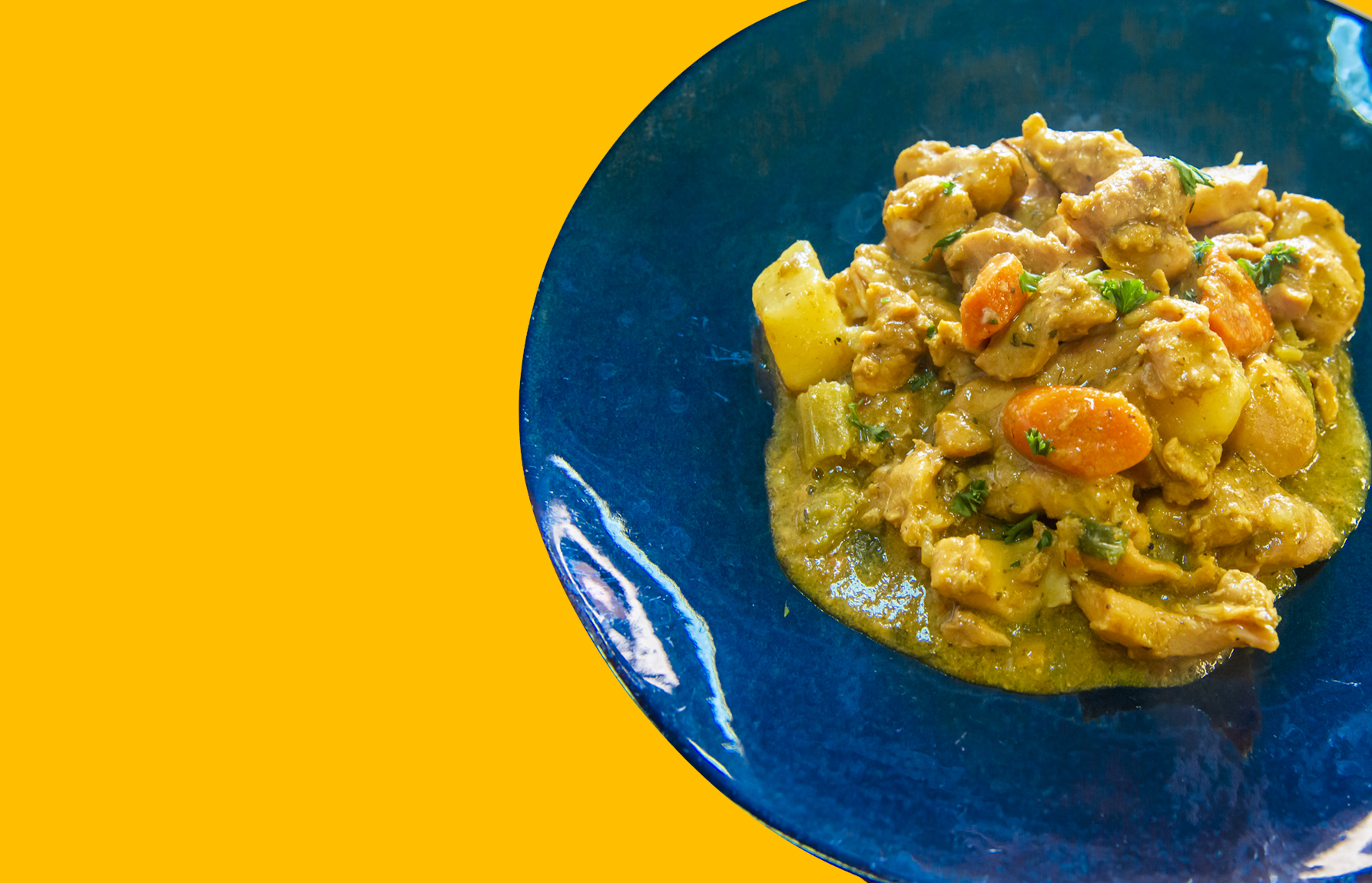
The dish starts with seasoned chicken, often marinated with green seasoning, black pepper, thyme, garlic, onion, and sometimes a splash of soy sauce. The pieces are browned, then simmered with bell pepper, onion, tomato, and enough liquid to create a glossy sauce. Browning sauce helps deliver that characteristic dark color, but use restraint. Too much creates bitterness. A teaspoon or two often does more good than a heavy pour.
The practical beauty of brown stew chicken is that it pairs with almost anything. Serve it with rice and peas if you have the time, plain rice if you do not, or even roasted potatoes when that is what is already in the kitchen. The dish is flexible in a way that many people do not expect from Jamaican food. Flavor-wise, it still tastes rooted and complete.
There is also a budgeting advantage. Bone-in chicken pieces are often cheaper than boneless cuts, and they contribute more richness to the sauce. If you are cooking for four, about two to two and a half pounds of chicken generally gives enough for a solid dinner with maybe one portion left for lunch, depending on appetites and side dishes.
Cabbage deserves a permanent place on the table
Many home cooks focus so much on the main dish that they miss one of the easiest Jamaican sides: steamed cabbage. It is quick, colorful, and exactly the kind of thing that balances rich, spicy mains. Better still, it uses ordinary vegetables and cooks in one pan.
A good cabbage side often includes shredded cabbage, carrot, onion, bell pepper, thyme, and black pepper. Some cooks add a little butter, others oil, some both. The point is to soften the vegetables without cooking away their life. You want tenderness with a bit of bite left, not a limp pile that tastes like obligation.
This is where Jamaican food can be especially kind to busy households. If the main dish is heavy, spicy, or slow-cooked, a fresh vegetable side gives the meal contrast without requiring a second major effort. I have served steamed cabbage next to jerk chicken, curry chicken, fried fish, and even simple grilled sausages on nights when the original dinner plan drifted. It rarely feels out of place.
For those trying to cook more vegetables without making separate meals for adults and children, this dish also helps. Carrot adds sweetness. Bell pepper brings familiarity. If Scotch bonnet is going into the meal, keep it out of the cabbage unless everyone at the table is ready for that level of heat.
Patties at home, without turning dinner into a weekend project
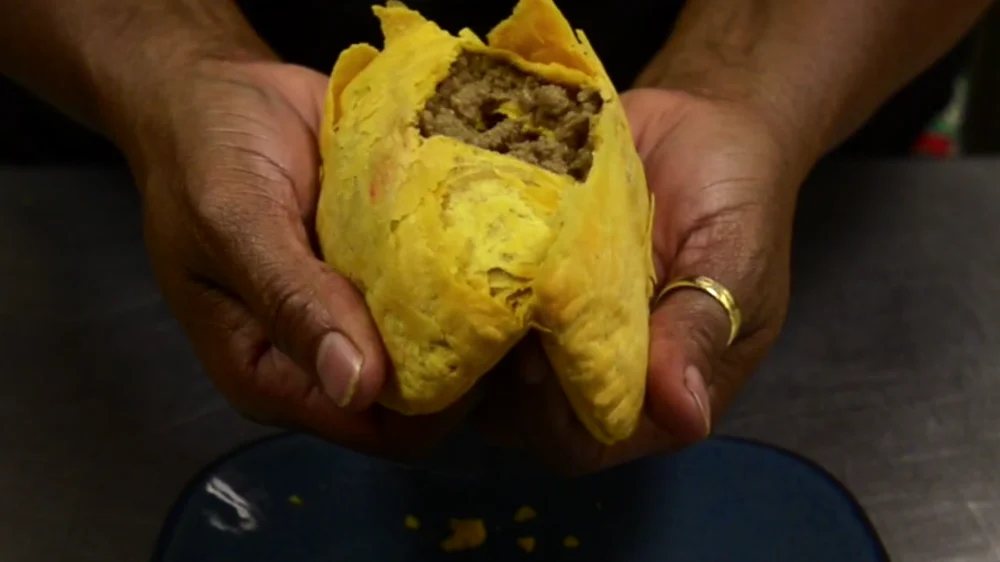
A proper Jamaican patty, flaky and golden with a warmly spiced filling, is one of the great handheld foods. It is also the kind of thing that can intimidate home cooks, especially if homemade pastry on a weeknight sounds absurd. Fair enough. Instead of treating patties as all or nothing, separate the flavor idea from the full format.
The filling is where much of the identity lives. Ground beef cooked with onion, scallion, garlic, thyme, black pepper, Scotch bonnet, curry powder, and a little breadcrumb or cracker crumb for texture can become a fast dinner in several forms. Tuck it into store-bought pastry if you have the energy. Spoon it over rice if you do not. Fold it into a baked potato. Use it inside a quesadilla for a clever, practical hybrid meal that still points back to Jamaican flavors.
If you do decide to make patties, do not make the mistake of overstuffing them. Home cooks often assume more filling means a better patty, but too much moisture or bulk causes leaks and soggy bottoms. A moderately filled patty with properly crimped edges is far more satisfying than a bursting one that loses half its contents on the pan.
Turmeric or curry powder is often used in the pastry for color, but if that feels like one task too many, focus your energy on the filling and buy acceptable puff pastry. It will not replicate the exact texture of traditional patty dough, but it can still produce a very good dinner. Busy home cooking is full of these judgment calls. Not every shortcut is equal, but some are entirely worth making.
Curry can be fast, if you respect the seasoning
Jamaican curry chicken is a strong candidate for regular rotation because it tastes like effort even when the cooking process is fairly direct. The curry powder used in Jamaican kitchens tends to have a different profile from some Indian blends, often a little brighter and less sweet, but the broader lesson matters more than the exact brand. Toast the curry briefly in oil before adding liquid. That simple step wakes it up.
Chicken on the bone gives the best flavor, though boneless thighs work when speed matters. Potatoes stretch the dish and soak up sauce. Thyme, garlic, scallion, onion, and Scotch bonnet round out the pot. Some cooks wash chicken with lime or vinegar before seasoning. Whether you keep that practice is personal, but the important part for flavor is seasoning in advance if possible, even for thirty minutes.
The main risk with curry chicken is a thin, underseasoned sauce. People add too much water, or they rush the simmer, or they forget that potatoes absorb salt aggressively. Taste near the end and adjust. A curry that smells beautiful but tastes flat usually needs more salt before it needs anything else.
This is also a dish that benefits from next-day eating. Make it at night, cool it properly, and lunch is done. Busy cooks should value recipes that improve after a rest. Jamaican food has many of them.
How to build a realistic Jamaican dinner in under an hour
Not every meal needs to be a grand spread. A manageable Jamaican-inspired dinner often comes down to one main, one starch, and one vegetable. Keep the combinations simple and repeatable. Here are a few that work especially well on busy nights.
- Jerk chicken thighs, rice and peas, steamed cabbage
- Brown stew chicken, plain rice, sliced cucumber with lime
- Curry chicken with potatoes, white rice, quick slaw
- Patty filling over rice, sautéed cabbage, fried plantain
- Escovitch-style fish, roasted sweet potatoes, shredded carrot salad
That kind of framework matters because decision fatigue is real. People often have the ingredients to make dinner, but not the mental bandwidth to design it at 6:30 p.m. If you keep two or three combinations in regular rotation, Jamaican food becomes familiar home cooking rather than a special project.
One note on fried plantain, since it shows up often and gets overcomplicated. Ripe plantains need only a little oil and attention. Slice them, fry until deep golden, and do not crowd the pan. If they are pale, they will taste starchy. If they are properly caramelized, they bring the sweet counterpoint that makes spicy and savory foods feel complete. This is one of those small details that changes the whole plate.
What to do when the specialty ingredients are hard to find
Plenty of cooks live far from Caribbean groceries. That should not stop you. Some substitutions are perfectly acceptable if you make them carefully.
Habanero can stand in for Scotch bonnet. Dried thyme is fine when fresh is unavailable, just use less because the flavor concentrates. If you cannot find allspice berries, ground allspice works, though it should be used with a lighter hand. For callaloo, spinach is not identical, but it can fill a similar role in a quick sauté. Jamaican curry powder is useful, but if you only have a standard curry blend, build complexity elsewhere with thyme, garlic, black pepper, and a little extra patience.
What matters most is honesty. A substitute changes the dish. That is not failure. It is cooking in real life. The trouble starts when people chase exact replication with poor replacements and then wonder why dinner tastes muddy. Better to make a clear, well-seasoned version with sensible substitutions than a confused one loaded with too many competing fixes.
The deeper lesson: cook the feeling, not just the recipe
The best Jamaican food at home does not always come from strict adherence to a card or a screen. It comes from understanding the feel of the cuisine. Season assertively. Let aromatics do real work. Allow spice, herb, and smoke-adjacent notes to build depth. Balance rich food with brightness and texture. Use time where it matters, and save time where it does not.
That last part is especially important for busy cooks. You do not need to peel and chop from scratch every evening to make credible Jamaican food. You do need to know where shortcuts are harmless and where they flatten the dish. Pre-blended green seasoning, canned beans, and store-bought pastry can all be smart choices. Skipping thyme, under-salting rice, or treating Scotch bonnet like any generic hot pepper will change the meal more dramatically than using a convenience product ever will.
There is also real value in repeating dishes until they become second nature. The first time you make rice and peas, you may hover nervously over the pot. By the fourth time, you will know how the liquid should look before the lid goes on. The first batch of brown stew chicken might need more color or more time. The next one will not. This is how good home cooking actually develops, not through perfection, but through familiarity.
Jamaican food suits that process beautifully because it is built on strong instincts and memorable flavors. Once those flavors live in your hands, dinner gets easier. A spoonful of green seasoning in a pan, a little thyme hitting warm oil, coconut milk loosening a pot of rice, these become fast signals that something good is underway.
For busy home cooks, that is the real promise here. Not restaurant imitation. Not culinary performance. Just flavorful, practical meals that carry the warmth and character of Jamaican cooking into an ordinary weeknight, with enough ease that you will want to make them again.
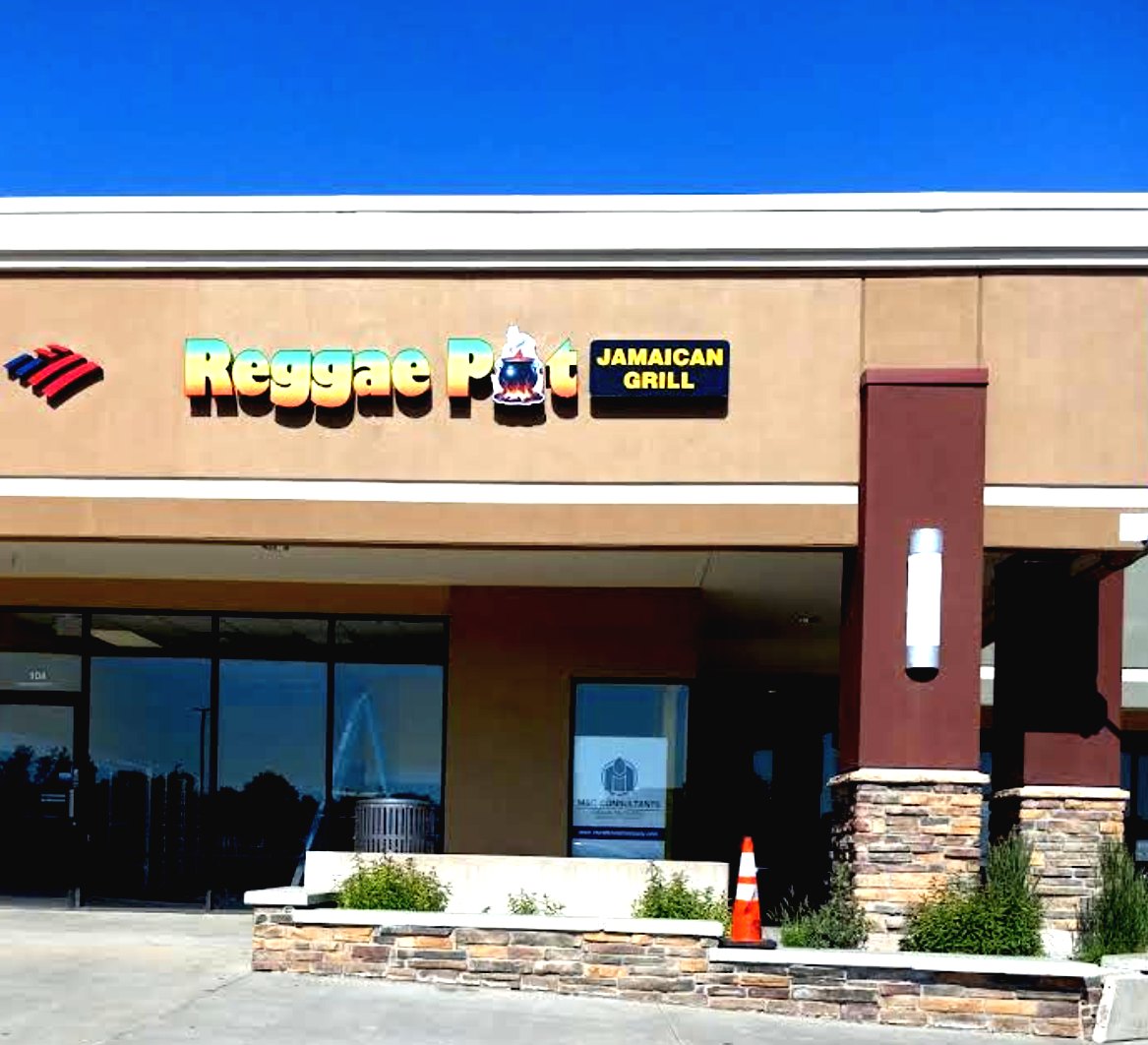
Reggae Pot Jamaican Grill
2243 S Monaco St Pkwy #104
Denver, CO 80222
+1 720-410-2956
FAQ About jamaican food
What is the best Jamaican food to try in Denver?
The best choice depends on your tastes. Popular options include jerk chicken, curry goat, slow-cooked oxtail, and savory patties. Reggae Pot lists these dishes on its menu, with sides such as rice and peas and plantains. Ask the Denver team about current availability and spice levels.
Is Jamaican food very spicy in Denver?
Heat varies by dish and preparation. Jerk seasoning often includes scotch bonnet peppers alongside herbs and allspice, while other dishes may have gentler seasoning. Ask about the heat of the specific dish and any sauce before ordering.
What are some popular Jamaican snacks?
Jamaican patties are a popular snack made with flaky pastry and savory meat or vegetable fillings. Other options include fried dumplings and festival, a sweet fried dough often served with savory dishes. Availability varies, so check the current menu when ordering.