Entry · Ref UXUYBG9F
Treats Worth Trying at a Cuban Bakery in Aurora CO
- Posted
- 2026-10-29
- Last amended
- 2026-10-29
- Account
- @beauneto251
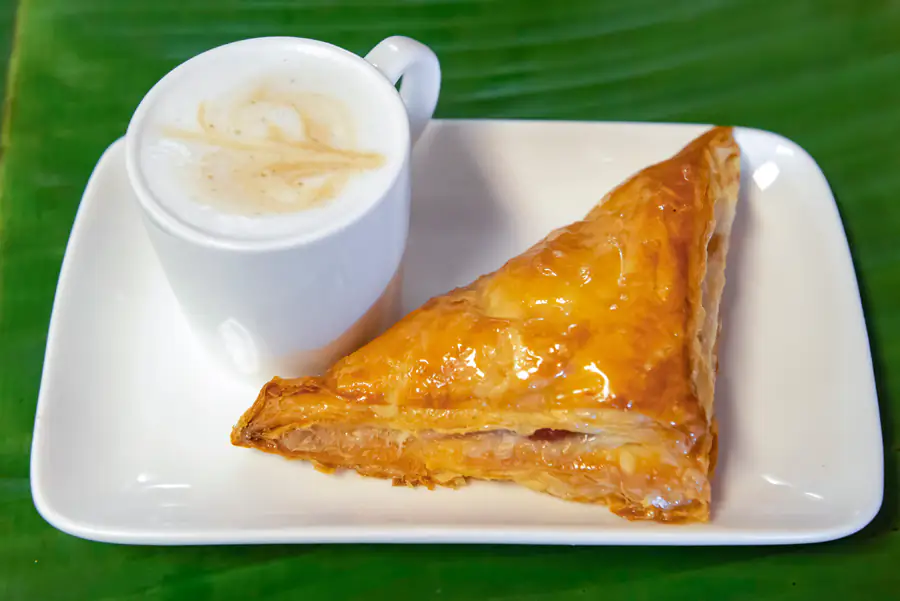
There is a specific kind of pleasure that comes from stepping into a good bakery before you have decided what to order. The glass case fogs slightly near the hot items, the pastry shelves hold their shape and color with almost theatrical confidence, and the room carries that unmistakable mix of butter, sugar, coffee, and bread. At a Cuban bakery, that first impression matters because the range is usually wider than people expect. You are not only looking at dessert. You are looking at a daily food culture where sweet pastries, savory handhelds, crusty breads, and coffee all belong to the same conversation.
That is what makes a visit to a Cuban bakery Aurora CO residents can reach easily worth planning around, rather than treating it as a last-minute stop. The best experiences come when you walk in with enough time to notice the details, ask a question or two, and order beyond the safest choice. Cuban bakery counters often reward curiosity. Something that looks simple, like a guava pastry or a roll with ham, can deliver far more character than its appearance suggests.
Aurora is the kind of city where that bakery experience makes sense. It has the diversity, the neighborhood rhythm, and the appetite for places that still make food meant to be eaten fresh. If you are new to Cuban baked goods, it helps to know what is worth trying first and why. If you already know the basics, it helps to know what separates an average version from one you will remember on the drive home.
What makes a Cuban bakery different
A Cuban bakery does not fit neatly into the American idea of a dessert shop. Yes, there are sweets, often excellent ones, but the best Cuban bakeries are woven into daily life in a more practical way. People come in for breakfast, for an afternoon coffee, for a box of pastries to bring to relatives, or for bread to anchor dinner. The menu usually reflects Spanish, Caribbean, and immigrant influences that evolved through family routines rather than food trends.
That mix shows up in the textures first. Good Cuban pastries often contrast flaky layers with sticky fruit filling, or soft enriched dough with a crisp sugared top. Savory items tend to be portable and filling, meant for a real appetite rather than a polite nibble. Even the coffee culture shapes what belongs in the case. A pastry should stand up well beside a small, intense cup of cafecito or a milk-forward café con leche. If a bakery gets that pairing instinct right, the whole menu feels more coherent.
Another thing worth noticing is that freshness changes the experience dramatically. A guava pastry eaten within hours of baking can be shatteringly crisp at the edges and still tender in the center. The same item, left too long in a dry display, becomes merely decent. That is true in any bakery, but Cuban pastries in particular rely on contrast. They need delicacy and sweetness, not just heft.
Start with the classic guava pastry
If you only try one sweet item, make it a guava pastry. In many Cuban bakeries, this is the baseline test, the thing that tells you whether the pastry program understands balance. Guava filling should taste floral and bright, not candy-like in a flat way. The pastry around it should be flaky enough to leave evidence on the napkin, but not so brittle that the filling shoots out on the first bite.
There are a few common variations. Some bakeries pair guava with cream cheese, which adds tang and softens the sweetness. That version tends to win over first-time visitors because it lands in familiar territory, a little like the spirit of a Danish but lighter on dairy and more fragrant from the fruit. Others keep it pure, just guava and pastry, which can be the better choice if you want to taste the fruit more clearly.
The best way to eat one is slightly warm, or at least not cold from a refrigerated case. Temperature matters. Guava loosens a bit as it warms, and the pastry becomes more aromatic. If you are ordering coffee too, a café con leche brings out the buttery side of the pastry especially well. A straight cafecito, by contrast, pushes the fruit forward and sharpens the contrast.
Pastelitos deserve more than a glance
Pastelitos are often the heart of the pastry case, and they are worth slowing down for. The word can cover a range of sweet and savory pastries, but in many Cuban bakery settings it points to compact, layered pieces with fillings like guava, coconut, cheese, or meat. They are the kind of pastry that seems straightforward until you have a very good one.
A coconut pastelito, for example, can go wrong in two predictable ways. It can be too dry, with sweetened coconut packed into pastry without enough moisture to tie it together, or too syrupy, where the filling tastes heavy and one-note. When it is done well, the coconut is chewy without being stubborn, the sweetness feels rounded, and the pastry contributes a toasted, buttery edge. That version disappears fast.
Cheese-filled pastelitos can be even more interesting. They are less showy than fruit-filled pastries, but their appeal is in restraint. Good cheese filling should bring a mild tang and creamy interior that offsets the crisp shell. It is a fine option for someone who wants something bakery-sweet without going fully into dessert territory.
Savory pastelitos deserve equal attention. Beef is common, sometimes seasoned with enough tomato, onion, and spice to feel rich without becoming saucy. The shell matters here more than people realize. Savory fillings need a pastry with enough structure to hold together while you eat in the car or while standing at a counter. Too delicate, and you get collapse. Too thick, and the filling gets buried. Good bakeries know that middle ground.
Cuban bread is not just a side purchase
One of the easiest mistakes visitors make is focusing so hard on pastries that they overlook the bread. Cuban bread can be one of the strongest reasons to visit a bakery at all. Fresh loaves should feel light for their size, with a thin crust and a soft, airy interior that tears cleanly. It is excellent on its own, but it is also the foundation for sandwiches and simple at-home meals.
There is a short window when bakery bread is at its best. Very fresh loaves have a faint crackle at the crust and a warm, yeasty aroma that fills the car if you open the bag. That is when restraint becomes difficult. More than once, I have bought a loaf intending to take it home intact and torn off an end before leaving the parking lot. Fresh Cuban bread invites that kind of bad planning.
If you are carrying pastries home for a group, adding bread is smart. The sweet items draw attention first, but the bread often becomes the thing people ask about later. It also gives you a practical reason to return. A bakery that nails both pastries and bread is doing more than making treats. It is feeding routine.
Croquetas and savory bites belong in the order
Strictly speaking, not everything worth trying at a Cuban bakery is a pastry. Croquetas, especially ham croquetas, are often one of the most satisfying things near the counter. They are usually small cylinders with a creamy interior and a crisp breadcrumb shell, served hot when timing is on your side. Their charm lies in contrast. The inside should be smooth and savory, the outside crisp enough to crack lightly under the teeth.
Croquetas are ideal if you want to round out an order that leans sweet. A box with a couple of guava pastries, one savory pastelito, and a few croquetas covers a surprising amount of ground. It gives you breakfast, snack, and dessert possibilities without overcommitting to one category.
Stuffed potato balls, empanadas, and similar savory items may also show up depending on the bakery. These are worth ordering when they look freshly made rather than held too long. Texture is unforgiving with fried or baked savory foods. A good bakery can produce an empanada with a crisp exterior and a seasoned filling that still tastes distinct from the dough. An average one gives you bulk. The difference is obvious after the first bite.
If you see Cuban cake by the slice, consider it
Many people associate Cuban bakeries with small pastries and skip the cakes, which is understandable but limiting. Cuban-style cakes often have a softness and celebratory sweetness that are quite different from dense American bakery cakes. You may find sponge cakes layered with fruit filling, whipped toppings, or custard-like components. The texture is usually the point. A good slice should feel light enough to keep eating, even when the flavor profile is unabashedly sweet.
Tres leches sometimes appears at bakeries with broader Latin pastry offerings, and if it does, it can be a strong choice. The challenge with milk-soaked cake is always balance. Too wet, and the slice collapses into sweetness without structure. Too dry, and it loses the luxurious quality people want from it. The versions worth buying hold their shape while still feeling saturated and tender.
For birthdays and family gatherings, whole cakes from a Cuban bakery often have a very different emotional register from generic supermarket cakes. The decorations may be simpler, but the flavors tend to feel more personal. Even when the cake is not elaborate, it usually tastes like something meant to be shared around an actual table rather than displayed for photos.
The coffee is part of the treat
A bakery visit changes once you understand that the coffee is not optional background. It frames the food. Cuban coffee culture tends toward intensity, sweetness, and brevity. A cafecito is small but assertive, and that is exactly why it works so well with rich pastries. A café con leche, by contrast, softens the experience and stretches it out. It suits a slower breakfast and pairs naturally with bread, toast, or milder pastries.
If you are deciding based on appetite and timing, this quick guide helps:
- Order a cafecito if you want a short, strong coffee to cut through sweetness.
- Choose café con leche if you are eating breakfast and want something gentler.
- Pair guava or cheese pastries with milk-based coffee for a softer balance.
- Pair croquetas or savory pastries with stronger coffee when you want contrast.
- If you are taking food to go, drink the coffee first and save the pastry for later only if it is sturdy enough to travel.
That last point sounds small, but it matters. Some pastries ride well. Others lose their edge quickly. Coffee can make a bakery stop feel complete even if your pastry ends up waiting until midmorning.
The best treats to try first if you are new
Walking into a full pastry case can create decision paralysis, especially if several items look similar at a glance. You do not need to decode everything on your first visit. You just need a sensible first order that gives you a read on the bakery’s strengths.
Here are five good starting picks:
- Guava pastry, for the sweet-fruity benchmark.
- Guava and cheese pastry, for balance and approachability.
- Ham croquetas, for a savory counterpoint.
- Cuban bread, because bakeries often reveal their skill through basics.
- A café con leche or cafecito, depending on how intense you want the pairing.
That combination gives you enough range to understand the bakery’s style without buying half the case. If everything in that set is good, the rest of the menu becomes easier to trust.
How to judge quality without overthinking it
There is no need to act like a critic at the counter, but a few simple observations go a long way. First, look at turnover. A busy bakery that replenishes trays usually delivers better texture than one where the same pastries sit all afternoon. Second, notice whether sweet items look glossy in a fresh way or greasy in a tired way. Butter-rich pastry should look alive, not exhausted.
Third, pay attention to aroma. Fresh bread, warm pastry, and coffee create a clear signature. If the room smells mostly like sugar without much baked depth, the pastries may lean one-dimensional. Fourth, ask what came out recently. In a good bakery, staff usually know and can steer you honestly. That is often how you end up with the item you did not plan to order but remember best.
Price can also tell part of the story, though not in the way people assume. A lower price does not automatically mean lower quality. Cuban bakeries often excel at producing accessible, everyday food. What matters more is whether the bakery delivers freshness and consistency at that price. A modestly priced pastry that tastes balanced and fresh is better value than a larger, fancier item that only looks appealing.
Timing matters more than people think
Morning is often the safest bet if you want the widest selection and the best shot at warm pastries or fresh bread. That said, some bakeries restock certain items throughout the day, especially savory foods or bread. If you can, ask when the https://brookskxvc515.rivertonbrief.com/posts/cuban-bakery-aurora-co-a-flavorful-destination-for-locals next batch is due. Ten extra minutes can be the difference between good and excellent.
Weekend timing brings its own trade-offs. The energy is livelier, and you may see more families ordering boxes for gatherings, but popular items can sell out early. Weekdays can be calmer and better for asking questions. If you are trying a Cuban bakery Aurora CO locals already support, assume there may be rushes tied to commuting hours and late-morning coffee runs.
Travel distance matters too. If you live across town, choose items that hold reasonably well. Bread, croquetas, and sturdier pastries usually survive the drive better than delicate cream-filled pieces. If you are eating immediately, be bolder. That is when the bakery can really show off.
Bringing a box home changes the experience
There is something generous about a bakery box on a kitchen counter. People open it repeatedly, sample more than they intended, and compare favorites in real time. Cuban bakery assortments are particularly good for sharing because the mix naturally invites contrast. Someone reaches for guava, someone else for savory beef, someone tears into the bread, and suddenly the conversation becomes the meal.
For office settings or family visits, variety matters more than volume. Five thoughtfully chosen items often create more enjoyment than a larger box of lookalike pastries. Include one fruit pastry, one cheese pastry, one savory item, bread if possible, and coffee if the timing works. That spread gives different palates something to claim.
If you are hosting, plate the pastries rather than leaving them boxed. It sounds obvious, but the effect is different. Flaky items read as more inviting when their shapes and layers are visible. Warm savory bites if you can. Slice bread just before serving. These small steps do not make the food better in theory, they make it better in practice.
Why these treats keep people coming back
The most memorable bakery foods are rarely the most elaborate. They are the ones that fit real life. A guava pastry with coffee before work. A loaf of bread brought home still warm. Croquetas eaten in the car because waiting feels unreasonable. Cake picked up for a family birthday because that is the flavor people expect. Cuban bakery traditions endure because they are built around repetition and pleasure at the same time.
That is also why a strong Cuban bakery Aurora CO visitors and residents can return to becomes more than a novelty. It becomes a place people rely on for familiar tastes and dependable comfort. The treats worth trying are not only delicious, they reveal a style of baking that values texture, freshness, and everyday hospitality.
If you go in with an open mind, the first visit tends to solve itself. Start with guava, add something savory, do not skip the bread, and let the coffee anchor the whole experience. After that, the case will begin to make sense, not as a random assortment, but as a bakery speaking its own language. The good news is that it is a very easy language to learn.
Cuba Bakery & Café
15028 E Mississippi Ave, Aurora, CO 80012
+1 303-752-2822
FAQ About Cuban bakery Aurora CO
What are Cuban pastries called?
Many small Cuban pastries are called pastelitos. They can have sweet or savory fillings, such as guava, cheese, guava and cheese, or seasoned meat. Cuba Bakery & Café lists guava, cheese, guava-and-cheese and beef pastries on its menu. Ask the bakery about current availability and ingredients when ordering.
What are traditional Cuban pastries?
Common Cuban bakery choices include flaky pastelitos filled with guava, cheese or meat. Cuban bakeries may also offer empanadas, breads and desserts alongside coffee. Cuba Bakery & Café lists pastelitos, several empanada fillings, pan Cubano and desserts such as tres leches and bread pudding. Selection can vary, so confirm the day's choices with the bakery.
What makes Cuban bread different?
Cuban bread is known for its light interior and a thin crust that becomes crisp when toasted or pressed. Traditional recipes often use lard, although ingredients vary by baker. It is commonly served as buttered toast or used for Cuban sandwiches. Cuba Bakery & Café lists pan Cubano and tostada on its menu; ask staff about the ingredients in their bread if you have dietary restrictions.