Entry · Ref IOWEWXSN
Why Families Love Spending Time at the Pie Shop
- Posted
- 2026-10-23
- Last amended
- 2026-10-23
- Account
- @beauneto251

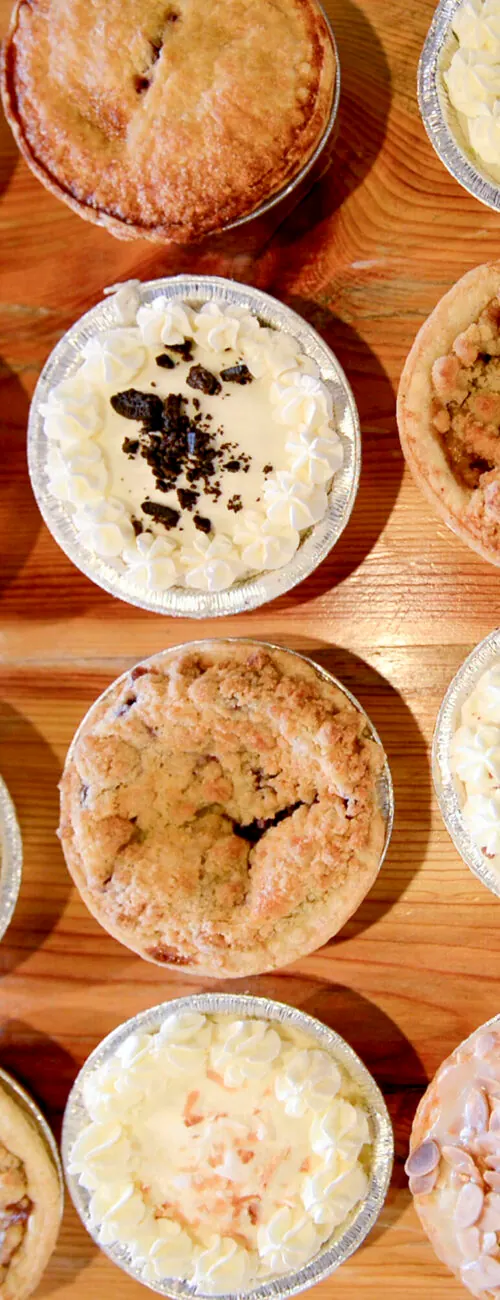

There is something unusual about a good pie shop. It is not only a place to pick up dessert, and it is rarely just a stop for coffee. For many families, it becomes part of the rhythm of ordinary life. Saturday errands feel less like chores when they end with a slice of apple pie. Long drives improve when there is a familiar bakery at the halfway point. Grandparents bring grandchildren for lunch, parents meet after school with tired kids in tow, and adult siblings return years later because the place still smells the same.
That loyalty does not happen by accident. Families are selective about where they spend their free time, especially when children, budgets, schedules, and different tastes all have to be managed at once. When a pie shop earns repeat visits across generations, it is usually because it does several things well at the same time. It offers comfort without trying too hard. It feels special without becoming expensive or fussy. It serves food that spans ages and preferences, and it gives people a setting where conversation comes easily.
After years of watching how neighborhood food businesses succeed, one pattern stands out. Families return to places that reduce friction and increase warmth. A pie shop, at its best, does both.
A place that feels easy from the moment you walk in
Many family outings fail for simple reasons. Parking is difficult. The menu is confusing. The room is too loud for conversation or too stiff for children. Parents spend the entire visit managing logistics instead of enjoying themselves. A well-run pie shop tends to avoid these traps because the format itself invites simplicity.
People understand what they are getting before they open the door. There will likely be display cases, recognizable baked goods, coffee, perhaps soups or savory pies, and a few tables where nobody feels rushed. That familiarity matters. Children like places they can read quickly. Older adults do too. Even guests visiting for the first time can settle in without asking ten questions.
The sensory cues help. Warm cinnamon, butter, roasted fruit, brewed coffee, toasted crust. These are comforting smells with broad appeal, and they create an immediate sense of welcome. Restaurant designers spend large sums trying to manufacture atmosphere. A pie shop often creates it naturally, just by baking all morning.
There is also an emotional ease to counter service or casual table ordering. Families can adapt. One person orders coffee, another wants tea, one child asks for a hand pie, another wants a sandwich first and dessert later. Nobody has to commit to a full formal meal. That flexibility lowers the stakes, and low-stakes outings are the ones families repeat.
Pie is one of the few foods that works across generations
Few menu items have the same reach as pie. It speaks to memory for older adults, to novelty for children, and to pleasure for almost everyone in between. That range matters more than it may seem.
Families rarely move as a single unit in terms of taste. A seven-year-old may want something sweet and familiar. A teenager may prefer something portable and filling. Parents may want coffee, a savory lunch option, and a treat that feels earned after a busy week. Grandparents might be drawn to classics like cherry, coconut cream, or pecan because those flavors connect to holidays and family traditions. In a strong pie shop, all of those needs can coexist.
Sweet pies get most of the attention, but savory pies often turn a casual visit into a complete outing. Chicken pot pie, steak and mushroom, vegetable pie, quiche, or seasonal hand pies make lunch possible without pushing the business into full restaurant territory. For families, that matters. If the adults can eat real food and the children can still have dessert afterward, everybody wins.
Pie also scales well for different appetites and budgets. A whole pie can anchor a celebration. A single slice can mark a small treat after soccer practice. A mini pie can satisfy a child without waste. Families appreciate places that let them choose the size of the moment.
Familiar food creates room for conversation
One underappreciated strength of a pie shop is that the food does not demand all the attention. That may sound strange in a business built on baking, but it is one reason families stay longer than they planned.
In trend-driven restaurants, the meal can become the main event. People take photos, decode ingredients, and discuss whether the dish was worth the price. There is nothing wrong with that, but it changes the social experience. Pie tends to do the opposite. It settles people. They know how to eat it. They know what they like. They order, sit down, and start talking.
That is especially important for families who do not always have natural windows for conversation at home. Between work, school schedules, sports, and screens, meaningful talk often gets reduced to logistics. A pie shop creates a neutral setting. Nobody has to cook. Nobody has to clear the table immediately. There is just enough structure to gather, and just enough informality to relax.
I have seen this play out in the same way across very different communities. A parent and teenage daughter sharing banana cream pie after dance rehearsal. A retired couple hosting grandchildren over hot chocolate and slices of berry pie. Three generations around a small table, arguing gently over whether peach is better warm or chilled. These are modest scenes, but that is the point. Families often bond most reliably in places that allow small pleasures to unfold without pressure.
The ritual matters as much as the food
Families are built on repetition. Friday pizza night, Sunday pancakes, birthday dinners at the same restaurant, cinnamon rolls after church, hot chocolate after the holiday parade. A pie shop fits naturally into this kind of ritual because it offers consistency with room for seasonal change.
That balance is harder to achieve than it looks. If a place never changes, it can go stale. If it changes too much, families stop relying on it. The best pie shops keep their anchors in place, perhaps apple, cherry, pecan, key lime, chocolate cream, while rotating a few seasonal offerings that give regulars something new to anticipate. Strawberry rhubarb in late spring, peach in midsummer, pumpkin and maple in autumn, citrus in winter. These cycles give families a reason to return and a timeline to remember.
Children especially respond to ritual tied to seasons. They may not track the calendar by fiscal quarters or school terms, but they remember when the blackberry pie returns or when the shop starts serving warm spiced cider. These repeated experiences become part of family memory. Years later, people often remember not just the pie itself but the weather outside, who was there, and what they were celebrating or recovering from.
A family does not need a grand vacation to create continuity. Sometimes what holds memory together is one booth by the window and a slice of pie after the farmer’s market.
Pie shops are naturally hospitable to different age groups
A family-friendly business is not merely one that tolerates children. It is one that accommodates a whole age range without making any group feel like an inconvenience. Pie shops often succeed here because the pace and format are flexible.
Young children do better in spaces where service is reasonably quick, portions can be shared, and a little noise is acceptable. Teenagers want a place that does not feel childish but still allows them some freedom, perhaps to order independently or linger with a friend over pie and coffee. Adults want quality and value. Older adults often prioritize comfort, straightforward menus, and seating that allows conversation without shouting.
A pie shop can meet all those needs with simple operational choices. Clear menu boards, options visible in the case, reliable beverages, sturdy seating, and staff who are patient with questions all make a difference. None of this sounds glamorous, but family loyalty is usually built on such details.
The physical environment matters too. Good lighting, enough space between tables, a mix of booths and chairs, restrooms that are easy to access, and acoustics that do not turn every visit into a strain. Families notice these things, even if they do not mention them directly. They feel the difference between a shop designed for actual use and one designed mainly for photographs.
Value matters, and pie often feels worth it
Families think in terms of total outing cost, not just menu price. Two adults and two children can spend a surprising amount in almost any food business now, especially once drinks, add-ons, and impulse items enter the picture. A pie shop often performs well on value because it can offer a satisfying experience without requiring everyone to order a full meal.
One family might split a savory pie, add two drinks, and choose three slices to share. Another might come only for dessert after dinner elsewhere. A grandparent might treat two grandchildren for less than the cost of a movie ticket. That flexibility gives the pie shop an advantage over pricier dining formats.
Perceived value is not only about low prices. It is about getting something that feels complete for the money spent. A generous slice with a flaky crust, fresh filling, and proper coffee usually feels fair. A whole pie that serves eight can become both dessert and next-day breakfast, which many families quietly appreciate. Practical value matters in household decision-making.
There is also emotional value in buying something handmade. Families can tell when baked goods were assembled to hit a margin target versus prepared with attention. They may not use those words, but they understand quality through texture, aroma, and consistency. When a pie shop delivers that level of care, people do not just feel fed. They feel looked after.
Shared desserts create a different kind of togetherness
There is a reason so many family photos involve dessert. Sharing something sweet encourages interaction in ways separate entrées do not. People lean in, offer bites, compare favorites, and negotiate who gets the corner piece or the last forkful of cream. It sounds small, but it changes the dynamic at the table.
Pie is especially good at this because it invites comparison. One person swears by tart fruit pies, another prefers custard, someone else likes crumb topping more than lattice crust. A family can order several slices and turn the visit into a low-key tasting without formality. Children get the thrill of choosing. Adults get the fun of revisiting old favorites or trying a seasonal special.
When families share food, they also https://johnathanmljt031.quantlynix.com/posts/must-try-specialty-pies-at-a-creative-pie-shop share opinions, memories, and stories. A lemon meringue pie can remind someone of an aunt who baked every Easter. A pecan pie can start a debate about whether it should be served warm, cool, or with vanilla ice cream. A chicken pot pie might remind parents of quick weeknight dinners from the first years of marriage. The pie is not just an object being consumed. It becomes a prompt.
Local pie shops often feel woven into community life
A pie shop that lasts tends to become more than a retail business. It becomes a local landmark. Families attach to places that anchor neighborhoods because those places help structure public life in a reassuring way.
You see this in small habits. Parents tell each other, "Meet us at the pie shop after the game." Visiting relatives are taken there because "you should try their apple pie." Teachers stop in during conference week. Nearby office workers pick up whole pies before holidays. Local fundraisers may rely on pie sales, and community groups may use the shop as an informal meeting point.
This community role strengthens family attachment for a simple reason. People prefer spaces where they feel known, or at least familiar. When staff remember a regular order, ask about a child’s recital, or set aside a favorite seasonal pie for pickup, the relationship becomes personal. Families return to places where they are treated like more than transactions.
That warmth should not be romanticized too much. It still depends on competent operations. Friendly staff cannot compensate for inconsistent baking or chaotic service. But when the product is strong and the welcome is genuine, a pie shop gains a kind of civic value that chain businesses often struggle to replicate.
The best pie shops understand pace
Family time does not always mean the same thing. Sometimes people want a quick stop between commitments. Sometimes they want to settle in for an hour. A successful pie shop respects both modes.
That takes judgment. If service is too slow, parents get restless and children lose patience. If staff clear tables too aggressively or design the room for turnover only, the atmosphere becomes transactional. The strongest shops strike a middle path. Orders move efficiently, but guests do not feel hurried once they sit down.
This is one area where experienced operators stand apart. They know when to keep the line moving and when to let a table linger. They understand that a family deciding between two whole pies before Thanksgiving needs a different kind of help than a commuter grabbing coffee at 8:15. They realize that hospitality is not just friendliness, it is timing.
In practical terms, families love businesses that reduce decision fatigue. Good signage, visible products, clear pricing, and sensible packaging all help. So does portioning that makes sense. A child’s slice should not be absurdly large. A takeaway box should actually protect the crust. A whole pie should travel well in the car. These details sound operational because they are, but they directly shape whether families return.
Seasonal celebrations make the pie shop feel alive
Some businesses are steady all year but never especially memorable. A pie shop has a natural advantage because pie is tied so strongly to seasons and celebrations. Families respond to places that feel alive to the calendar.
Autumn is the obvious high point, with pumpkin, apple, pecan, and maple drawing crowds around harvest season and major holidays. But good pie shops do not rely only on November nostalgia. Spring can bring rhubarb, strawberry, and lemon. Summer can lean into stone fruit, blueberries, blackberries, and chilled cream pies. Winter can feature citrus, chocolate, and heartier comfort flavors. Even a rainy March day feels more manageable when there is a warm slice waiting inside.
These seasonal cues give families reasons to create outings. A first peach pie of summer can become a tradition. Picking up a pie before a school concert can become expected. A December visit for mince, chocolate silk, or bourbon pecan can mark the start of a holiday week. The shop becomes part of how the family experiences time.
Not every pie shop gets it right, and families notice the difference
It is worth saying that the label alone is not enough. Some pie shops miss what families actually need. They may lean too hard into novelty and neglect the basics. They may make the room beautiful but uncomfortable. They may treat whole pie orders as the main business and forget the everyday guests who keep the place alive all year.
Families are quick to sense when a business is not set up for them. If there is nowhere practical to sit, if ordering feels intimidating, if the prices creep too high for casual visits, or if the quality swings from one week to the next, repeat traffic drops. Even parents who genuinely want to support local businesses will quietly stop coming if the outing becomes more work than pleasure.
On the other hand, a modest pie shop with excellent crust, patient service, and a dependable coffee program can build astonishing loyalty. Families are not always searching for spectacle. More often, they are searching for reliability with heart.
What keeps them coming back
When families talk about favorite places, they rarely list technical virtues. They do not usually say the business had strong menu architecture or a smart throughput model. They say things like, "It always feels nice in there," or "The kids love it," or "We stop every time we’re nearby." Those simple statements usually rest on a combination of qualities working together.
A pie shop earns affection when it provides comfort, flexibility, and consistency. It serves food people actually want to share. It welcomes different ages without making anyone feel out of place. It offers enough quality to feel special and enough ease to become routine. Above all, it gives families a setting where time slows just enough for them to enjoy one another.
That is the deeper appeal. People go for the pie, certainly. They return for the feeling. The best pie shop becomes a dependable stage for ordinary family life, a place where celebrations, quick catch-ups, holiday traditions, and tired weekday treats all fit under one roof. In a culture crowded with entertainment options and overplanned experiences, that kind of simple, well-made hospitality is harder to find than it should be.
And perhaps that is why families keep loving it. A slice of pie is rarely just a slice of pie. In the right place, it becomes an excuse to sit down together, share something warm, and stay a little longer than expected.
3.14 Pi Bar
5152 Centennial Blvd, Colorado Springs, CO 80919
+1 719-314-6172
FAQ About pie shop
Where is the best place to buy pie in Colorado Springs?
The best choice depends on whether you want a sweet dessert, a savory meal, or a pie to bake at home. 3.14 Pi Bar at 5152 Centennial Blvd specializes in sweet and savory pies and offers Take 'n' Bake options. Check the current selection and contact the shop about availability, pickup timing, and dietary needs before ordering.
Who makes the best pot pies in Colorado Springs, CO?
Preferences vary by filling, crust, and portion size. 3.14 Pi Bar offers hearty savory pot pies alongside its sweet pies. Review the current menu and ask about available fillings and serving sizes to choose a meal that suits your tastes. Specific varieties may change.
Who has the best apple pie in Colorado Springs?
Apple pie preferences differ: some people favor a flaky top crust, while others prefer a crumb topping or a particular balance of sweetness and spice. 3.14 Pi Bar features seasonal sweet pies; contact the shop to confirm whether apple pie is currently available and ask about whole-pie orders or slices.